

Lena is a thoughtful and imaginative writer with a passion for storytelling across the themes of travel, environmental sustainability, and contemporary home aesthetics. With a background in cultural media and a strong visual sensibility, Anna Lena creates content that bridges inspiration with practical insight.
Her work explores the interplay between place, lifestyle, and design—guiding readers through meaningful travel experiences, eco-conscious choices, and modern approaches to living well. Known for her elegant writing style and attention to detail, she brings a fresh, human-centered perspective to every topic she covers.
Anna Lena contributes to digital publications and editorial projects where aesthetics meet purpose. Her writing not only informs but also encourages readers to live more intentionally, sustainably, and beautifully—wherever they are in the world.
The Art of Timeless Blending
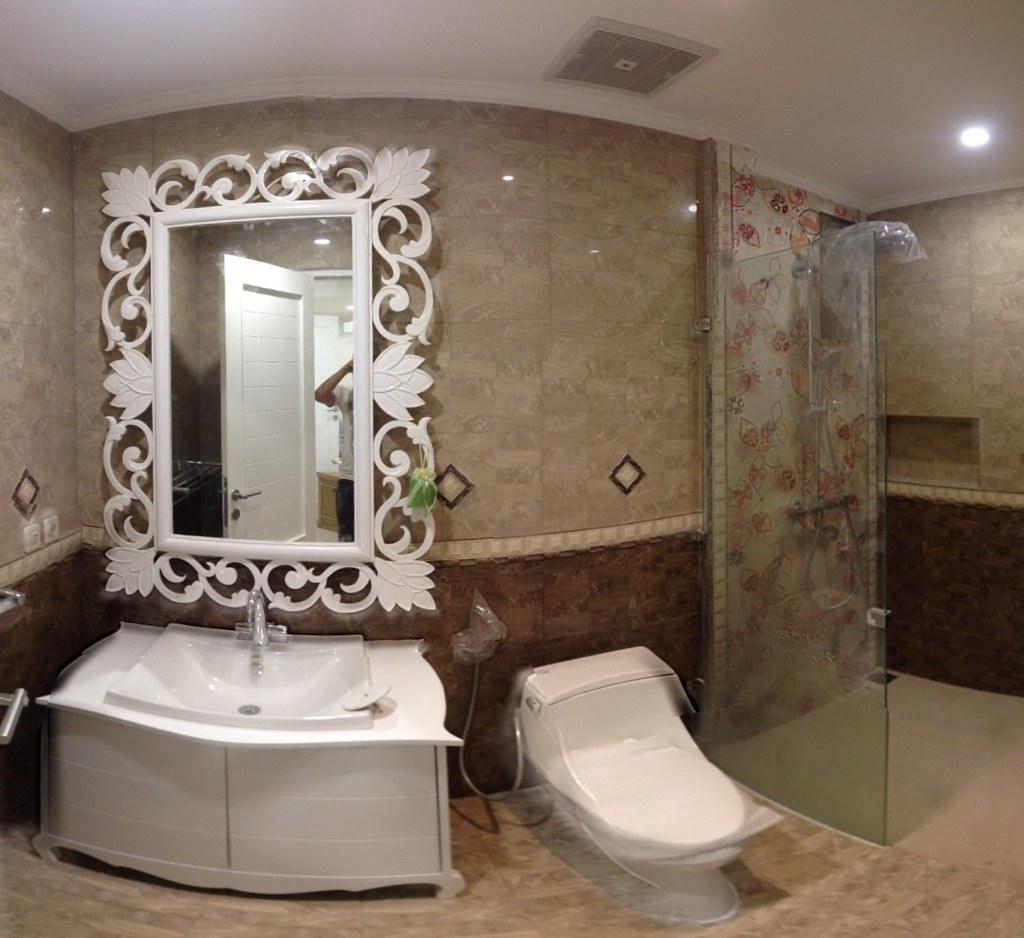
You walk into a room and something just feels right. There’s an antique wooden chest sitting beneath a sleek, modern mirror, and somehow it all works perfectly together. This isn’t magic – it’s the art of mixing old and new in your home.
The beauty of combining vintage pieces with contemporary elements lies in creating spaces that feel both collected over time and thoughtfully curated. Sustainability continues to be an important topic in design and Johnson says much of the traditional design aesthetic can be achieved by using repurposed, vintage, and found pieces and materials which make spaces eco-conscious while promoting a sense of comfort and personalization.
This approach isn’t just about following trends – it’s about creating a home that tells your story while respecting both past craftsmanship and modern functionality.
Understanding the 80/20 Rule
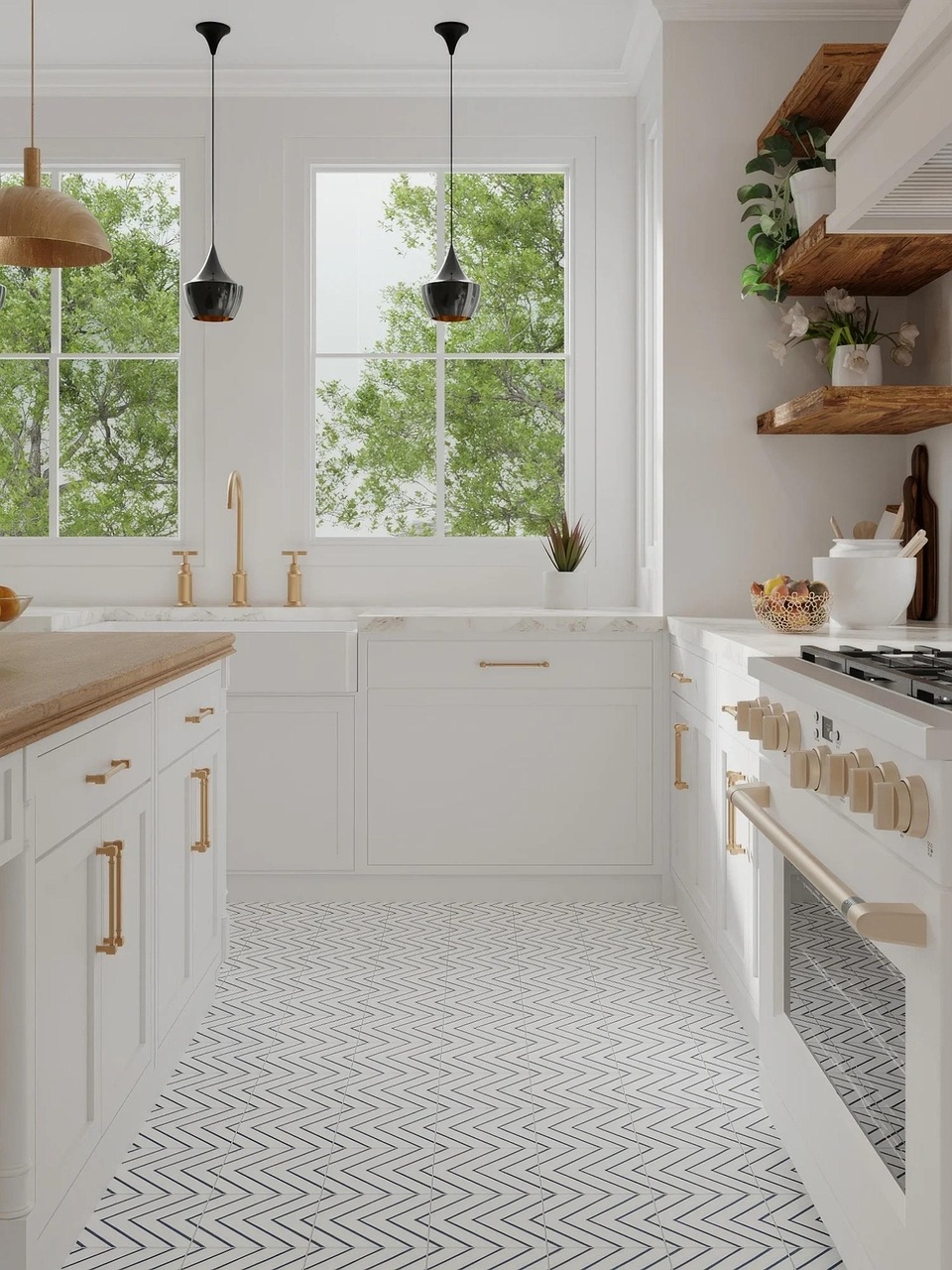
Professional designers swear by a simple formula that takes the guesswork out of mixing periods. Therefore, it’s a good practice to incorporate 80% modern pieces with 20% vintage ones. This rule applies to both furniture and decorative pieces throughout your home.
The logic is straightforward: unless you’re a serious antique collector, most of your pieces will naturally be contemporary. By limiting vintage elements to about 20% of your total decor, you create visual interest without overwhelming the space. Think of it like seasoning a dish – a little goes a long way.
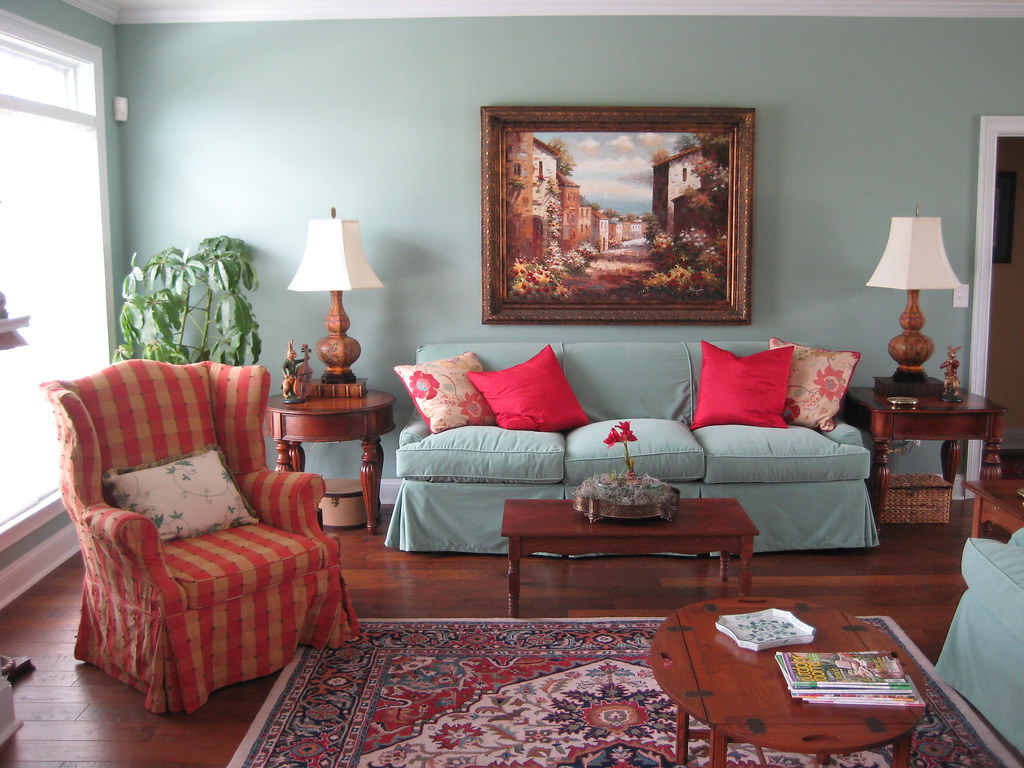
This ratio helps maintain a cohesive look while allowing those special vintage pieces to truly shine as focal points. You might choose one stunning antique dining table surrounded by modern chairs, or a vintage Persian rug grounding a contemporary living room setup.
Finding Common Ground Between Eras
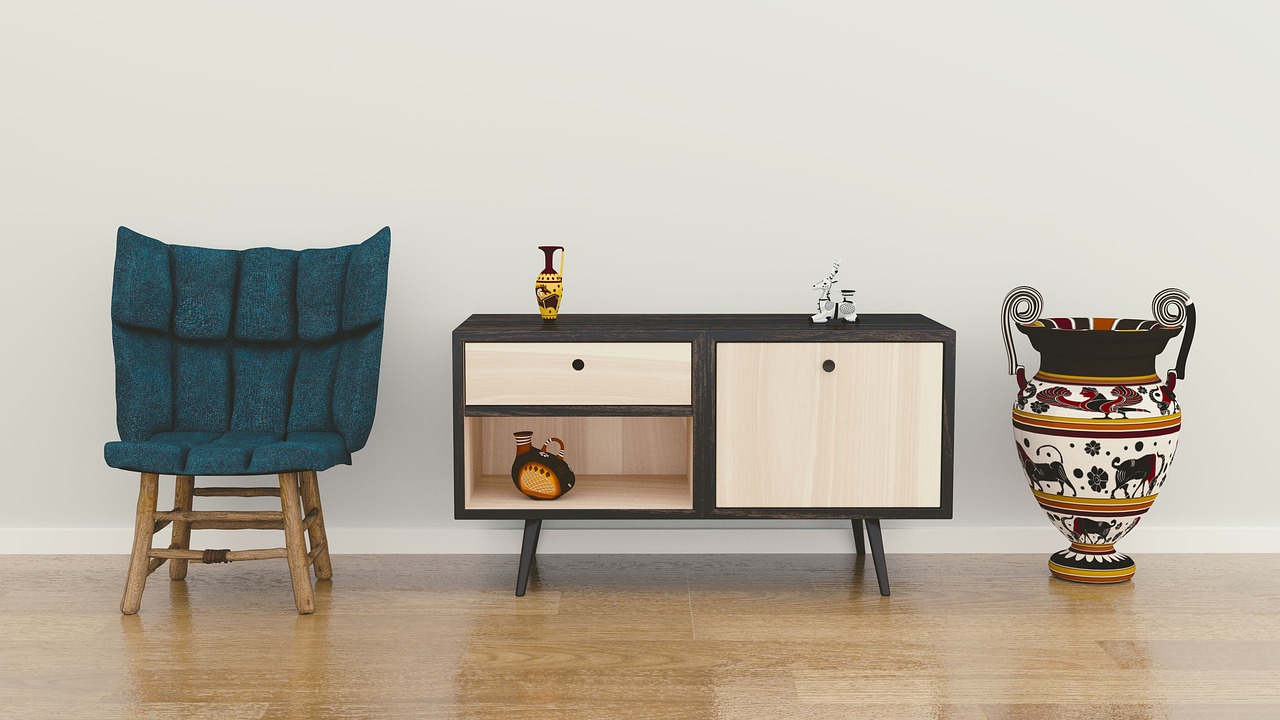
The secret to successful mixing lies in identifying shared characteristics between your old and new pieces. To avoid that, aim for furniture with common colors, a recurring pattern, or a similar material. Ideally, antique and modern pieces should be united by at least one common attribute.
Color is often the easiest bridge between different periods. A warm wood tone in your vintage credenza can echo the same warmth in your modern dining chairs. Similarly, the brass hardware on an antique chest can complement contemporary brass light fixtures.
Material connections work beautifully too. The clean lines of a modern glass coffee table can highlight the ornate details of a vintage wooden side table, creating an interesting dialogue between simplicity and complexity.
The Power of Proportion and Scale
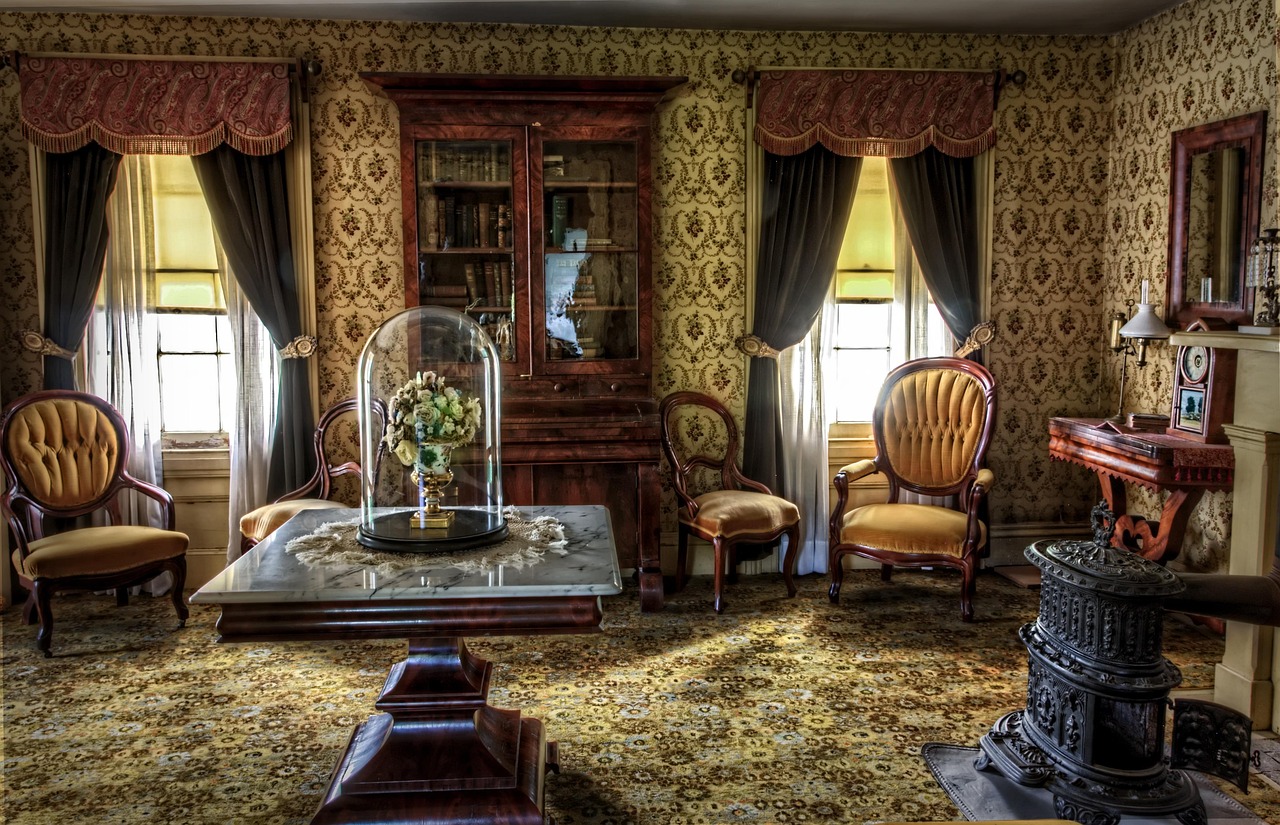
Getting the proportions right can make or break your old-meets-new design. Many dark, heavy wood pieces don’t float comfortably and would be happiest on or near a wall. Light and leggy pieces should be placed next to items with more mass so that the room doesn’t feel nervy and uncomfortable. A balance of proportion across space offers a lot of leeway to run wild with prints, colors, finishes, and styles.
Think of your room as a conversation between different personalities. A massive Victorian armoire needs a sturdy modern sofa to balance its weight, while delicate mid-century side tables work better paired with substantial contemporary pieces.
Playing with scale can also create unexpected luxury in smaller spaces. An old, solid wooden desk or a classic mid-century sofa can make a small living room feel much larger. The key is creating visual anchors that ground the space without making it feel cramped.
Lighting as the Perfect Bridge
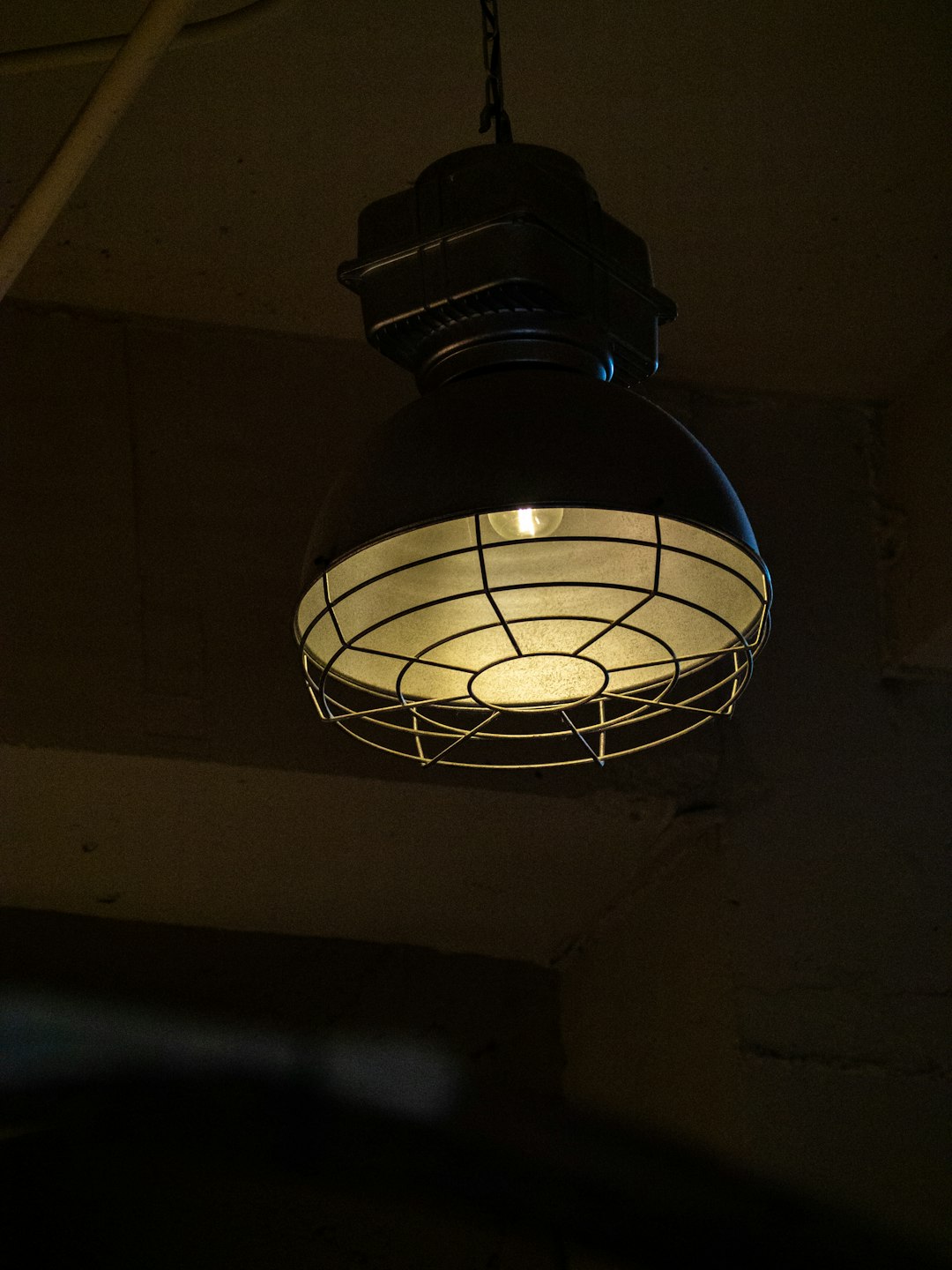
If you’re nervous about mixing furniture styles, lighting offers a safe entry point into the old-meets-new aesthetic. Lamps are one of the simplest ways to combine the old with the new. A vintage brass lamp can instantly warm up a modern desk setup, while contemporary track lighting can make antique furniture feel fresh and current.
The vintage lighting trend is gaining even more momentum as we head into 2025. She shares that one-of-a-kind vintage chandeliers are having a moment, as are midcentury modern floor lamps, antique desk lamps, and retro-style wall sconces.
Lighting also serves a practical purpose in highlighting the best features of both old and new pieces. Strategic placement can draw attention to the beautiful grain of an antique wood table while casting interesting shadows from a modern sculptural lamp.
Creating Focal Points with Statement Pieces
One of the most effective strategies is to choose a spectacular vintage piece as your room’s star attraction. Choose a spectacular vintage or second-hand piece as the focal point and surround it with more modern and discreet pieces. Introducing a historical piece full of life is the perfect way to contrast more contemporary rooms.
This approach works particularly well in dining rooms, where an antique farmhouse table can anchor the space while modern chairs keep the look from feeling too precious or museum-like. The same principle applies to living rooms, where a vintage Persian rug can ground an otherwise contemporary seating arrangement.
The key is letting that special piece breathe by surrounding it with simpler, more understated modern elements that complement rather than compete with its character.
The Resurgence of Vintage Americana
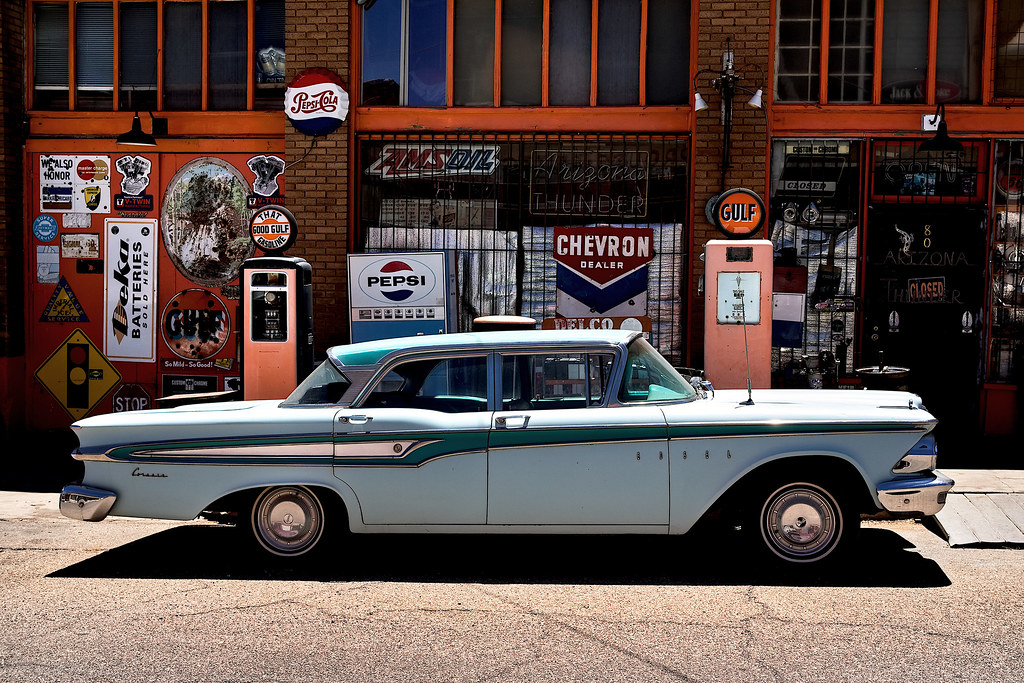
There’s something deeply comforting about incorporating pieces that evoke simpler times. Nostalgic design elements are making a major splash in 2025. Think of floral patterns, chintz, antique furnishings, and even Victorian-inspired sculleries. These features tap into a collective longing for comfort and familiarity.
Pinterest’s 2025 Trends Report shows that searches for “Vintage Americana” surged by 145%. This isn’t just nostalgia for nostalgia’s sake – it’s a response to our increasingly fast-paced, digital world.
Consider incorporating elements like vintage kitchenware, antique quilts, or classic farmhouse furniture that speak to America’s heritage while still functioning beautifully in today’s homes.
Art Deco and Traditional Furniture Revival
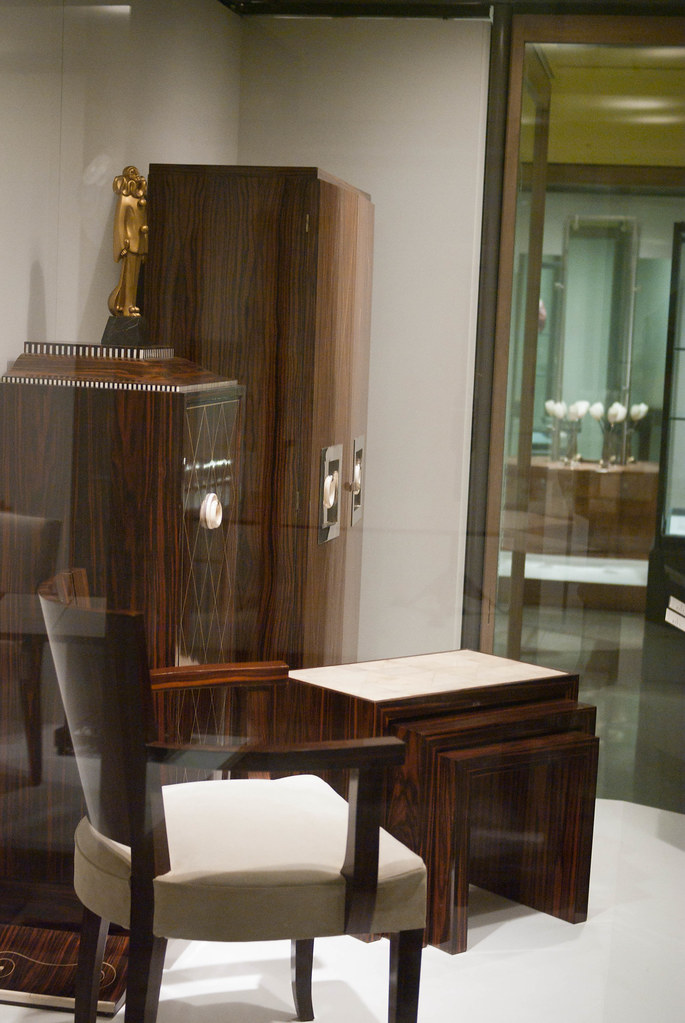
Art deco furniture is making a strong comeback in 2025, driven by a love for bold shapes and vintage luxury. Originating in the 1920s, art deco style is the epitome of sophistication and it’s here to replace more casual and and rustic aesthetics such as industrial style.
The appeal of these pieces lies in their dramatic geometry and rich materials. Art deco furniture leans into rich colors such as burgundy and deep teal, and embraces geometric shapes and smooth curves. Luxurious materials such as noble woods, intricate inlays, and plush finishes define its opulent aesthetic, making it a perfect blend of timeless sophistication and modern elegance in today’s interiors.
Similarly, traditional furniture styles are experiencing renewed interest. We’ll see more people gravitating to traditionalism with interiors that blend history with innovation, and where old materials meet new forms in thoughtful applications.
Sustainable Style Through Vintage Integration
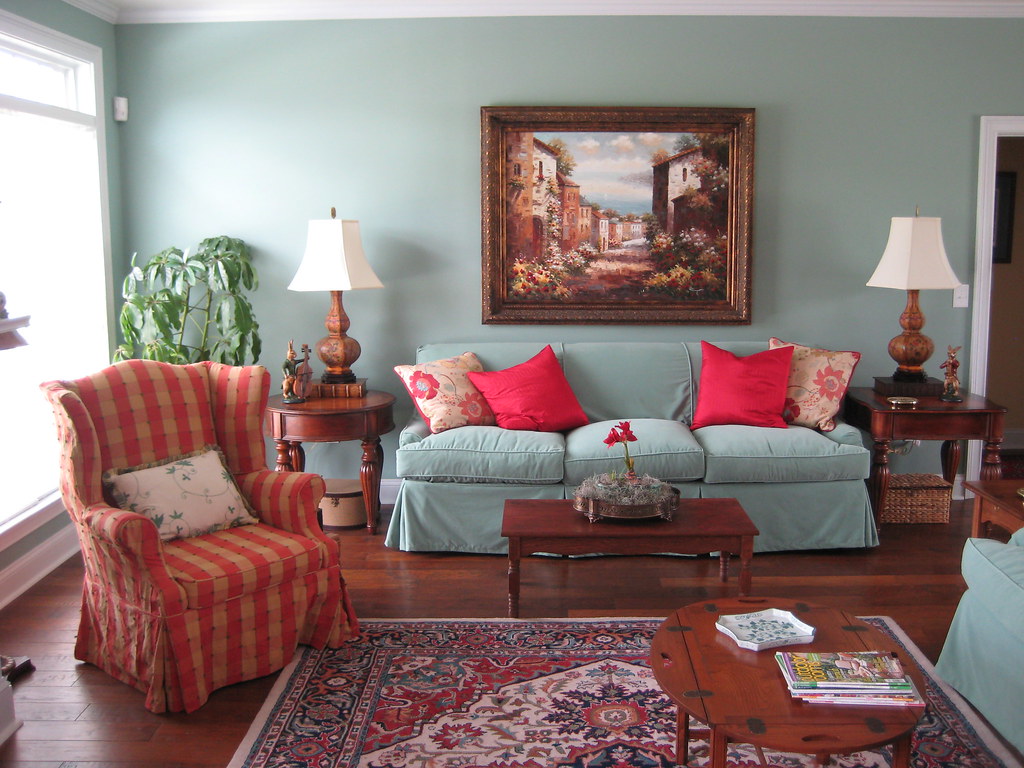
Mixing old and new isn’t just aesthetically pleasing – it’s environmentally responsible. According to recent statistics, the second-hand market is expanding at a rate 21 times faster than traditional retail stores. This trend is particularly driven by Generation Y and Generation Z, who are more conscious of the environmental impact of their purchases.
Vintage pieces offer superior craftsmanship that’s often impossible to find in today’s mass-produced furniture. Antiques often display fine craftsmanship that is harder to come by today and feature intricate wood carving, marquetry, or decorative flourishes that you won’t find in run-of-the-mill modern-day furniture.
By choosing vintage pieces, you’re not only getting unique character for your home but also reducing demand for new production and contributing to a more sustainable lifestyle.
The Psychology of Mixing Old and New
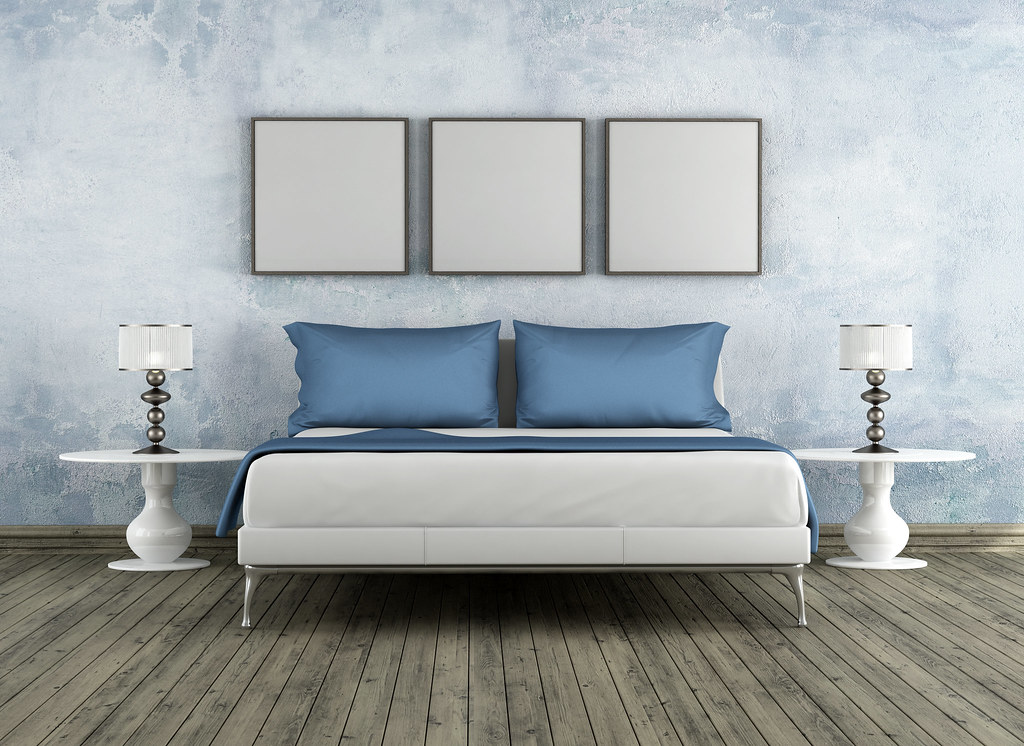
There’s something deeply satisfying about creating a space that feels both current and timeless. In today’s high-stress, uncertain world, people are looking for warmth and comfort at home, which helps explain why some more traditional or old-fashioned features are also trending.
Vintage pieces carry stories and emotional weight that new furniture simply can’t replicate. Each antique piece has its own story to tell. When you bring antiques into your modern decor, you are integrating a piece of history into your living space.
This emotional connection transforms a house into a home, creating spaces that feel lived-in and loved rather than showroom-perfect. The imperfections and patina of aged pieces add character that no amount of modern styling can duplicate.
Making It Work for Your Budget
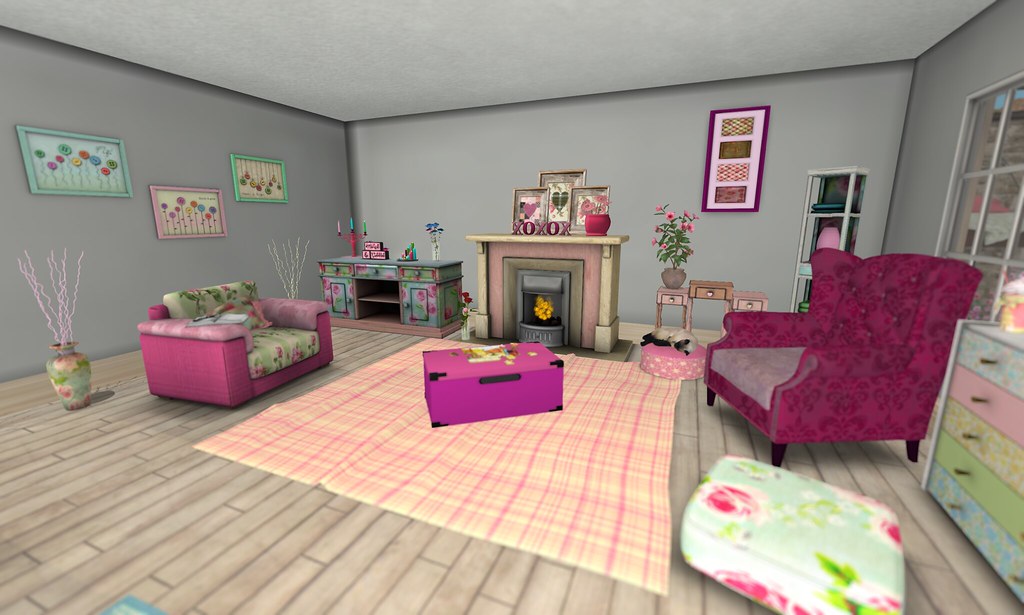
You don’t need to break the bank to achieve this sophisticated look. If you love antiques but feel intimidated by buying antique furniture, start with small furniture pieces such as end tables and wooden stools, or decorative pieces like ornate gilded mirrors, lighting fixtures, and rugs.
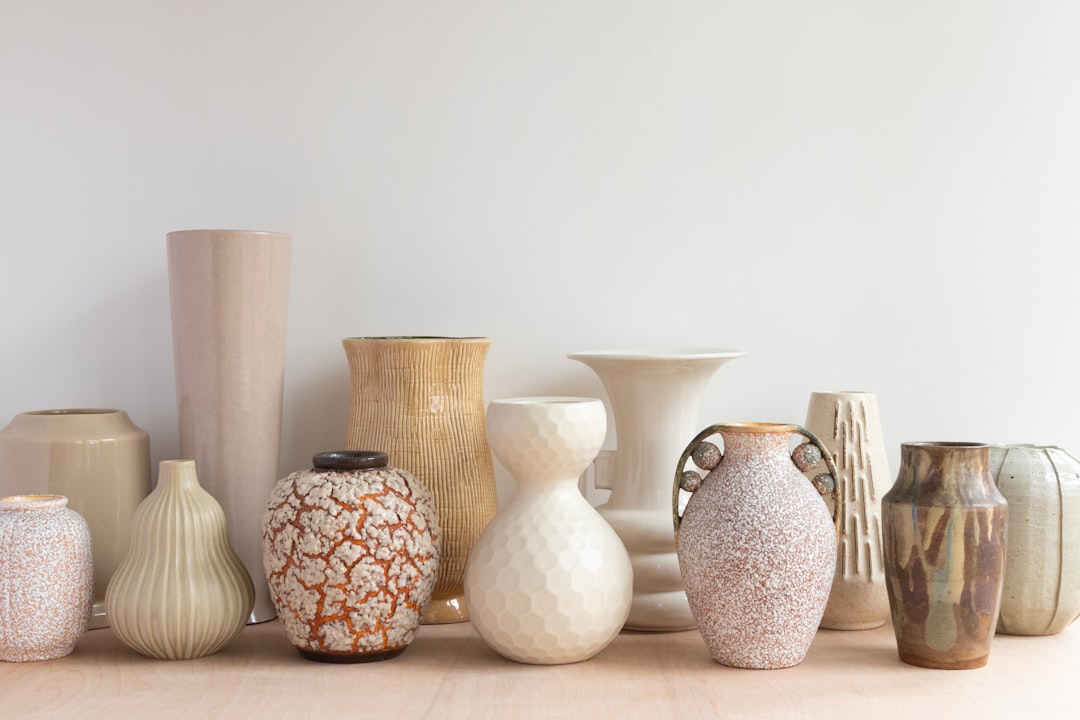
The beauty of mixing old and new is that you can start small and build over time. Begin with accessories like vintage vases, antique picture frames, or a single piece of vintage furniture. You can’t really mess up these “trends,” and they’re endlessly versatile so you can adapt them to your own home and style. Not to mention, buying vintage and antique pieces you love is always on trend, no matter the season or year.
Estate sales, thrift stores, and online marketplaces offer endless possibilities for finding unique pieces at reasonable prices. The hunt itself becomes part of the joy of creating a truly personalized space.
Who knew that the secret to a timeless home was hiding in plain sight? The art of mixing old and new isn’t about following rigid rules – it’s about creating spaces that feel authentically yours while honoring both history and innovation. What old piece is calling your name right now?

Lena is a thoughtful and imaginative writer with a passion for storytelling across the themes of travel, environmental sustainability, and contemporary home aesthetics. With a background in cultural media and a strong visual sensibility, Anna Lena creates content that bridges inspiration with practical insight.
Her work explores the interplay between place, lifestyle, and design—guiding readers through meaningful travel experiences, eco-conscious choices, and modern approaches to living well. Known for her elegant writing style and attention to detail, she brings a fresh, human-centered perspective to every topic she covers.
Anna Lena contributes to digital publications and editorial projects where aesthetics meet purpose. Her writing not only informs but also encourages readers to live more intentionally, sustainably, and beautifully—wherever they are in the world.