

Henrieke Otte is an accomplished writer and content editor, specializing in topics that inspire thoughtful living—ranging from global travel and sustainable lifestyles to interior design and architecture. With a keen editorial sense and a background in cultural studies, Henrieke brings depth, elegance, and clarity to every piece she crafts.
Her work is known for its engaging voice, visual sensitivity, and ability to turn complex ideas into accessible, reader-friendly narratives. Whether exploring eco-conscious destinations, dissecting climate-conscious home trends, or curating serene living spaces, Henrieke writes with a balance of creativity and insight that resonates with design-savvy, environmentally aware audiences.
Driven by a love of meaningful storytelling and a refined aesthetic, Henrieke contributes regularly to digital platforms and magazines where quality content meets visual sophistication.
Mexico’s New Cruise Tax Is About to Hit Your Wallet
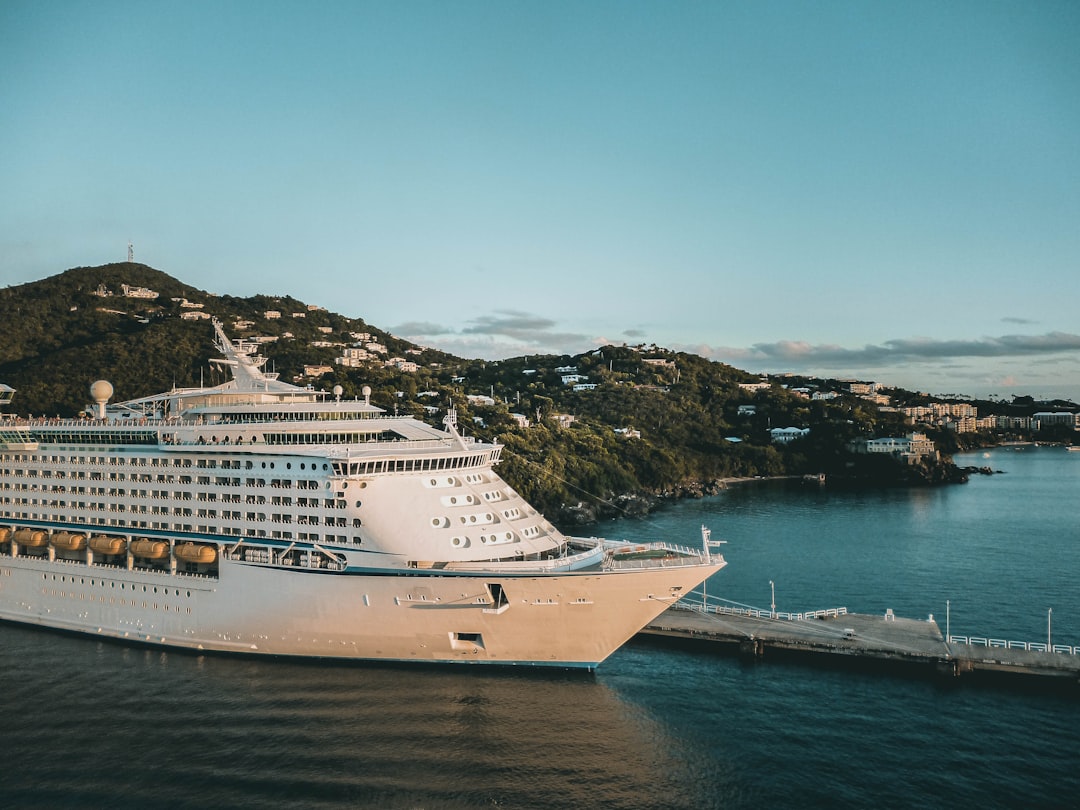
Starting July 1, 2025, Mexico will implement a new Non-Resident Duty (DNR) tax that will add $5 per person to every cruise passenger visiting Mexican ports. This fee applies whether you step off the ship or stay aboard during port visits. The tax affects all major Mexican destinations, including popular Caribbean stops like Cozumel, Progreso, and Costa Maya, as well as Pacific coast favorites like Puerto Vallarta, Ensenada, and Cabo San Lucas.
The implementation was originally scheduled for January 1, 2025, but Mexican officials delayed the roll out of the fee following a meeting with the Florida-Caribbean Cruise Association (FCCA). An immigration fee already exists in Mexico for foreign travelers, but cruises had been exempt until this point.
The Cost Will Keep Rising Through 2027
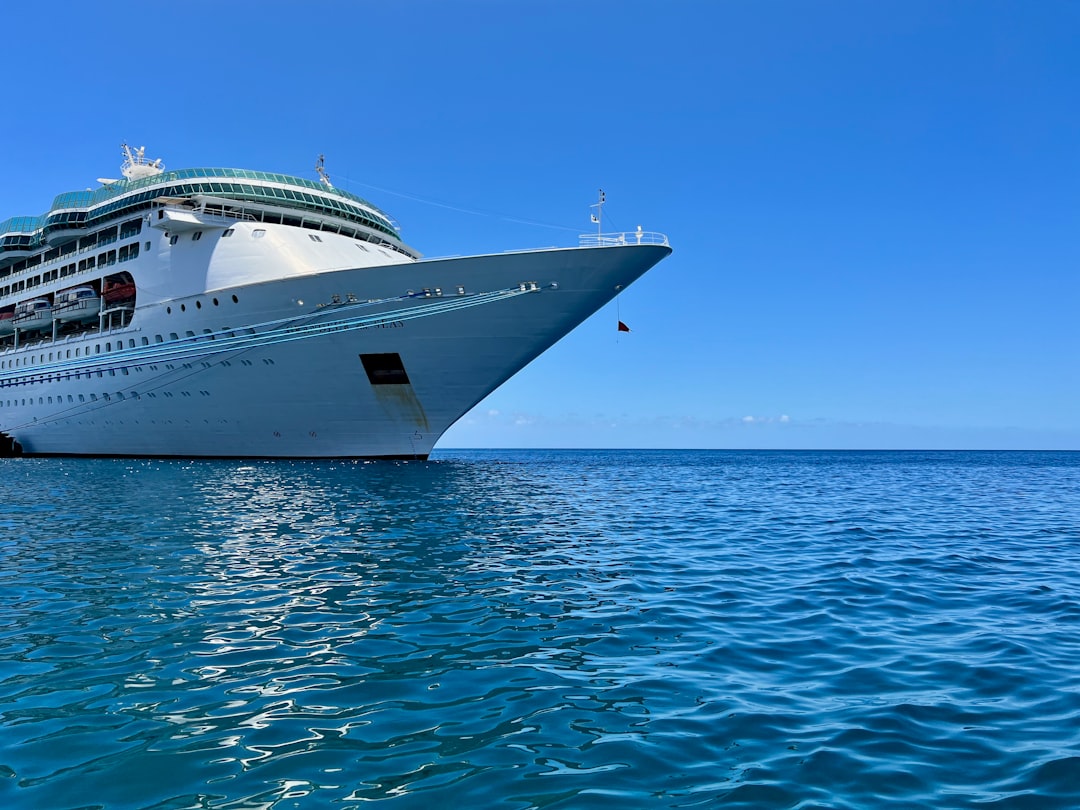
That $5 fee is just the beginning. According to a local news source, Riviera Maya News, the tax will gradually increase to $10 (USD) per passenger in 2026, and $21 per passenger in 2027. For a family of four, this means paying an additional $20 in 2025, $40 in 2026, and $84 in 2027 – just for the Mexican tax portion of their cruise.
Cruise lines currently build port fees into cruise fares with the fee likely to be rolled into the cost of a cruise. While cruise executives argue this could price Mexico out of the market, the reality is that most families won’t cancel their long-planned vacations over these relatively modest increases.
Mexico Draws Over 10 Million Cruise Passengers Annually
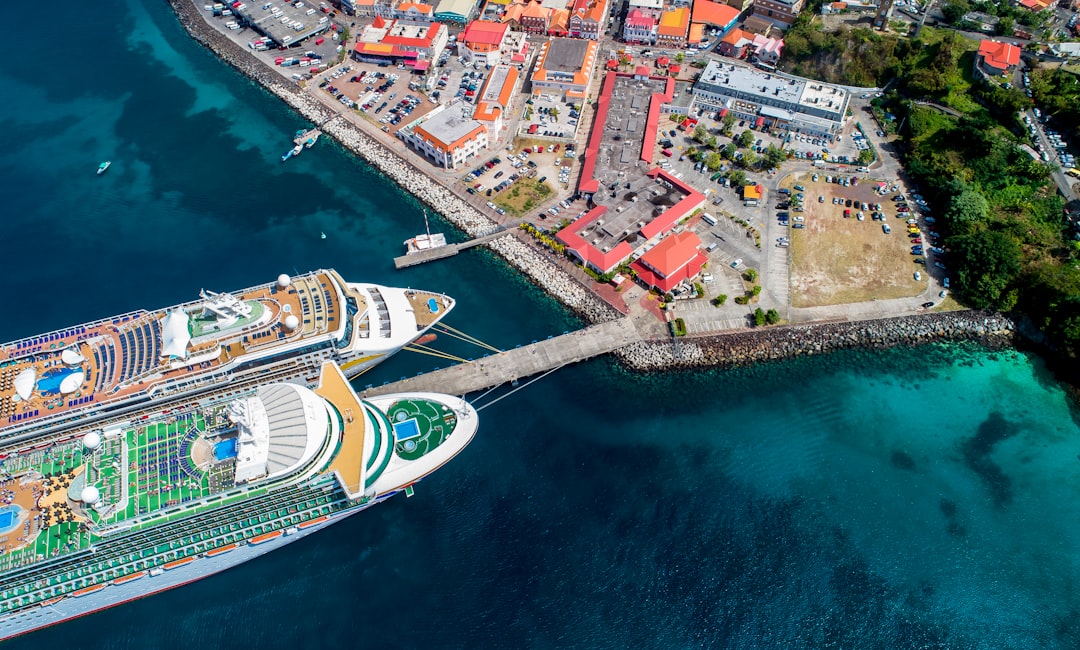
The Florida-Caribbean Cruise Association (FCCA), an industry trade group, estimates that more than 10 million passengers arrive in Mexico by cruise ship every year, and some 3,300 cruise ships are expected to call on Mexican ports in 2025. This massive volume makes Mexico one of the most popular cruise destinations worldwide.
Cozumel alone attracted 2.94 million people in 2022, making it one of the busiest cruise ports globally. With such high visitor numbers, even a modest per-person tax generates significant revenue for the Mexican government.
Where Your Tax Money Will Actually Go
Mexico says it will use two-thirds of the proceeds to fund its military, which is used to enforce security at cruise terminals, reserving the final third to improve the ports. This security funding addresses a legitimate concern, as cruise terminals require significant security infrastructure to manage thousands of passengers safely.
Port improvements funded by the tax could actually benefit cruise passengers through better facilities, faster processing times, and enhanced infrastructure. However, cruise passengers won’t see these improvements immediately, as major port upgrades typically take years to complete.
Cruise Lines Are Already Raising Prices Everywhere Else
While cruise executives complain about Mexico’s new tax, they’ve been quietly implementing much larger price increases across their own services. Since 2023 the full per-day price of an alcoholic drink package on Carnival Cruise Line has gone from $59.95 to $88.44. That’s an increase of $28.49. The price of Wi-Fi on Carnival also jumped 22%, and now the line’s most basic internet plan goes for $22 a day.
These onboard price hikes dwarf Mexico’s new tax. A family purchasing drink packages and Wi-Fi on a seven-day cruise faces hundreds of dollars in additional costs compared to just a few years ago.
Port Fees Are Becoming More Transparent
Following a new California law, Royal Caribbean and Carnival Cruise Line will start including taxes and fees in upfront costs. This change, which began in July 2024, means families can now see the true cost of their cruise from the beginning rather than discovering additional fees during checkout.
Previously, advertised cruise prices excluded port fees, taxes, and gratuities, leading to sticker shock when families completed their booking. The new transparency requirements help families budget more accurately, though the total cost remains the same.
Alaska and Caribbean Ports Are Also Raising Fees
The 7-night Alaskan cruise onboard Carnival Luminosa sailing round trip from Seattle, Washington, charges a whooping $320 per guest in taxes and fees. In comparison, the 7-night Western Caribbean cruise from New Orleans has fees that are about half the price, or $130 per person.
The Bahamas government announced an increased cruise tax for visiting ships, which had been delayed from last summer and will now take effect January 1, 2024, due to pushback from cruise lines. Already relatively expensive, cruise ships at Freeport, Nassau, and Bimini will see taxes rise from $18 to $23.
The Real Impact on Family Vacation Budgets

For most families, Mexico’s new tax represents a small fraction of their total cruise budget. In March, an oceanview cabin on a 7-night cruise on Norwegian Getaway from New Orleans is quoted at $1,192 on Norwegian Cruise Line’s website. Adding $42 for the Mexican tax (by 2027 levels) brings the total to $1,234 – an increase of just 3.5%.
When compared to the hundreds of dollars families typically spend on drink packages, specialty dining, and shore excursions, the Mexican tax becomes a relatively minor expense. However, these incremental increases across multiple areas are making cruise vacations more expensive overall.
Some Mexican Ports May Lose Appeal
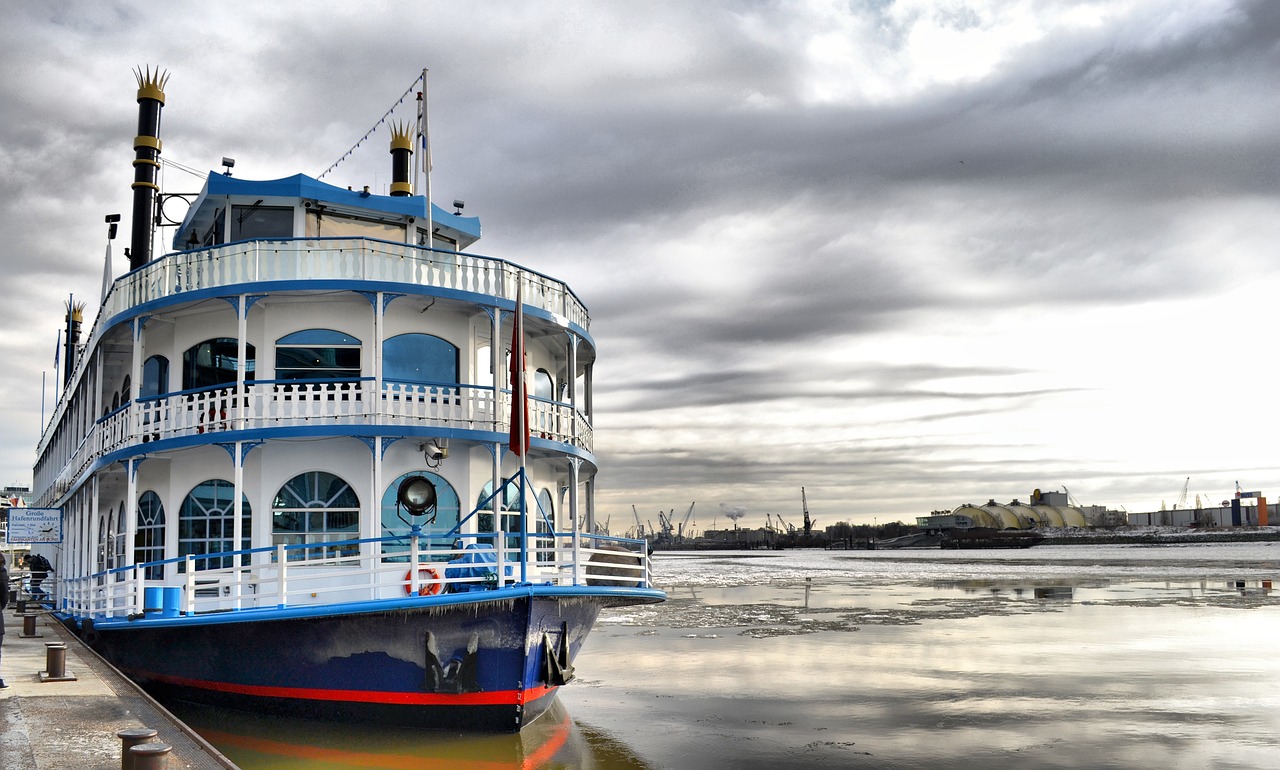
Some ports still attract massive numbers of cruisers—Cozumel drew 2.94 million people in 2022—but other Mexican ports are increasingly skipped by regular travelers as inauthentic, dull, or even dangerous. On cruises that call on less-historic ports like Ensenada, a sizable portion of passengers don’t even bother to get off the ship.
The additional tax may push some cruise lines to reconsider itineraries that include less popular Mexican ports. Lines might substitute Caribbean destinations where passenger taxes are lower, particularly for newer cruisers who haven’t yet visited Mexico multiple times.
Industry Executives Are Fighting Back
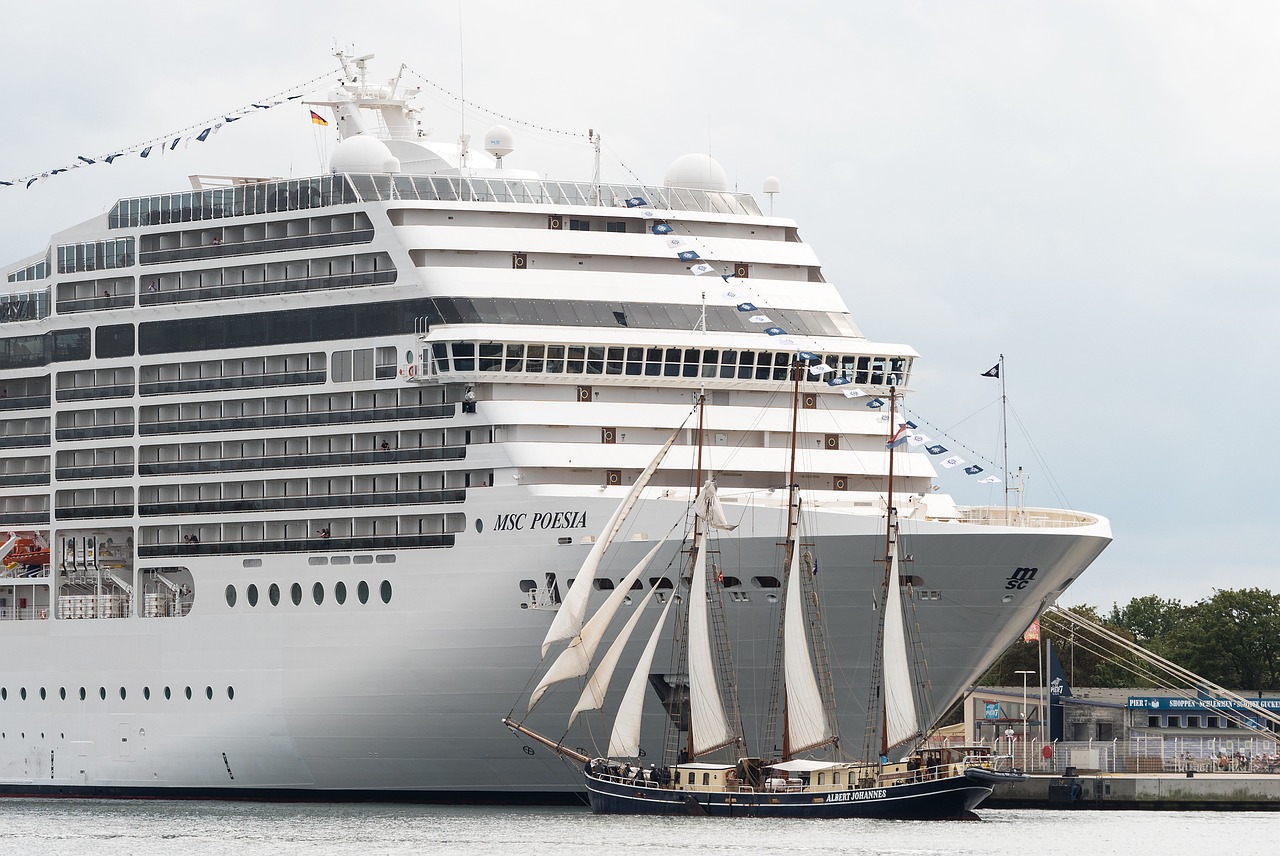
In response to the announcement, the FCCA issued a letter to Mexican President Claudia Sheinbaum that was signed by the leaders of the major cruise lines. The letter complained the newly enforced charge will effectively price Mexican ports “out of the cruise market” and force cruise lines to favor the Caribbean, where entry taxes tend to be lower.
However, Sergio Gonzales Rubiera, president of The Travel Agents Association in Cozumel, Mexico’s main cruise destination, says that some cruise lines might skip Mexican ports in protest, but he thinks most will include the fee in the price of future trips. Given Mexico’s popularity and limited alternatives offering similar experiences, most cruise lines will likely absorb the tax into their pricing structure.
What This Means for Your Next Family Cruise
Families planning Mexico cruises should budget for the additional fees, which will be built into the cruise price rather than charged separately. The tax applies to all passengers regardless of age, so families with multiple children will see proportionally higher increases.
While the Mexican tax alone won’t break most vacation budgets, it’s part of a broader trend of rising cruise costs. Combined with higher onboard prices for drinks, dining, and activities, families should expect to pay 10-15% more for their Mexico cruise vacation compared to just two years ago. The amount, by itself, may not cause many travelers to cancel their cruise plans, but it will have more of us appraising the general value of every aspect of a cruise vacation.

Henrieke Otte is an accomplished writer and content editor, specializing in topics that inspire thoughtful living—ranging from global travel and sustainable lifestyles to interior design and architecture. With a keen editorial sense and a background in cultural studies, Henrieke brings depth, elegance, and clarity to every piece she crafts.
Her work is known for its engaging voice, visual sensitivity, and ability to turn complex ideas into accessible, reader-friendly narratives. Whether exploring eco-conscious destinations, dissecting climate-conscious home trends, or curating serene living spaces, Henrieke writes with a balance of creativity and insight that resonates with design-savvy, environmentally aware audiences.
Driven by a love of meaningful storytelling and a refined aesthetic, Henrieke contributes regularly to digital platforms and magazines where quality content meets visual sophistication.