Henrieke Otte is an accomplished writer and content editor, specializing in topics that inspire thoughtful living—ranging from global travel and sustainable lifestyles to interior design and architecture. With a keen editorial sense and a background in cultural studies, Henrieke brings depth, elegance, and clarity to every piece she crafts.
Her work is known for its engaging voice, visual sensitivity, and ability to turn complex ideas into accessible, reader-friendly narratives. Whether exploring eco-conscious destinations, dissecting climate-conscious home trends, or curating serene living spaces, Henrieke writes with a balance of creativity and insight that resonates with design-savvy, environmentally aware audiences.
Driven by a love of meaningful storytelling and a refined aesthetic, Henrieke contributes regularly to digital platforms and magazines where quality content meets visual sophistication.
Level 4: Do Not Travel Advisory Issued
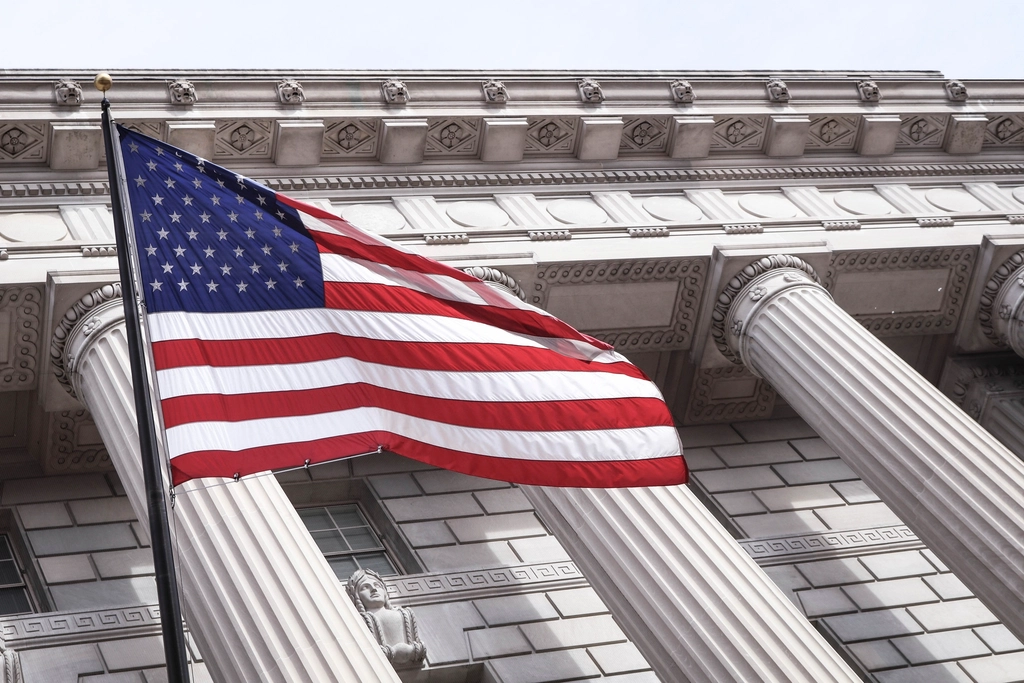
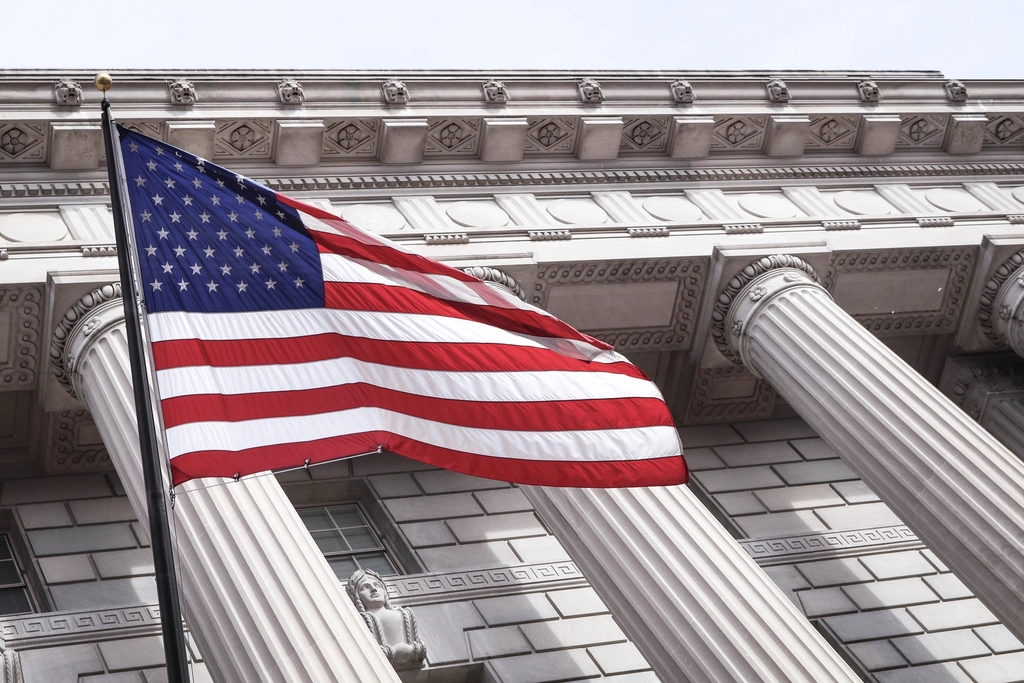
As of July 3, 2025, the U.S. Department of State has updated its travel advisories, issuing a “Do Not Travel” alert for several countries due to heightened risks. This advisory is especially important for families planning international trips, highlighting the need for careful preparation and awareness.
The State Department’s Level 4 advisory represents the highest risk category, urging U.S. citizens to avoid travel to specific countries due to threats such as terrorism, crime, and civil unrest.
Countries Affected by the Advisory
Currently, 21 countries are on the “Do Not Travel” list, including Afghanistan, Syria, Iraq, Yemen, Iran, North Korea, and Venezuela. These nations have been designated high-risk due to ongoing conflicts, political instability, and other significant dangers.
Reasons Behind the Advisory

The advisories are based on multiple factors including high levels of violent crime, terrorism, civil unrest, health risks with inadequate medical infrastructure, and the threat of kidnapping or wrongful detention.
Implications for Family Travelers
Families considering travel to any of these countries should be especially cautious. Traveling with children can require more planning, and destinations under Level 4 advisories may lack the necessary security and medical services to handle emergencies.
Limitations on U.S. Government Assistance
In countries with Level 4 warnings, the U.S. government’s ability to provide emergency help or consular services is often very limited or completely unavailable. This can make responding to crises far more difficult.
Travel Insurance Considerations
Many travel insurance providers exclude coverage for destinations under Level 4 advisories. Travelers should carefully review their policies and consider comprehensive plans that include emergency evacuation and medical assistance.
Recommendations for Safer Travel
For those who still wish to travel abroad, it is strongly recommended to choose destinations with lower advisory levels, stay informed about local conditions, enroll in the Smart Traveler Enrollment Program (STEP) to receive updates, and keep regular contact with family and friends during the trip.
Staying Updated on Travel Advisories

Travel advisories can change quickly as global events unfold. Families should check the U.S. Department of State’s website regularly before and during travel to stay informed about the latest updates.

Henrieke Otte is an accomplished writer and content editor, specializing in topics that inspire thoughtful living—ranging from global travel and sustainable lifestyles to interior design and architecture. With a keen editorial sense and a background in cultural studies, Henrieke brings depth, elegance, and clarity to every piece she crafts.
Her work is known for its engaging voice, visual sensitivity, and ability to turn complex ideas into accessible, reader-friendly narratives. Whether exploring eco-conscious destinations, dissecting climate-conscious home trends, or curating serene living spaces, Henrieke writes with a balance of creativity and insight that resonates with design-savvy, environmentally aware audiences.
Driven by a love of meaningful storytelling and a refined aesthetic, Henrieke contributes regularly to digital platforms and magazines where quality content meets visual sophistication.