
Matthias is a skilled author and digital storyteller with a focus on travel journalism, environmental issues, and modern home design. With a background in communications and a passion for global cultures, Matthias crafts engaging narratives that blend real-world exploration with thoughtful analysis and visual flair.
His writing reflects a deep interest in how climate change shapes our lives and lifestyles—from sustainable travel practices to eco-friendly living environments. Known for his clear, approachable voice and sharp editorial instincts, Matthias delivers content that resonates with readers seeking both inspiration and substance.
Whether reporting from remote destinations, breaking down sustainable design trends, or spotlighting innovative green initiatives, Matthias brings a global perspective and an eye for detail to every piece. He regularly contributes to web platforms and editorial projects that aim to foster awareness, creativity, and conscious living.
Victory Gardens Return to Suburbia
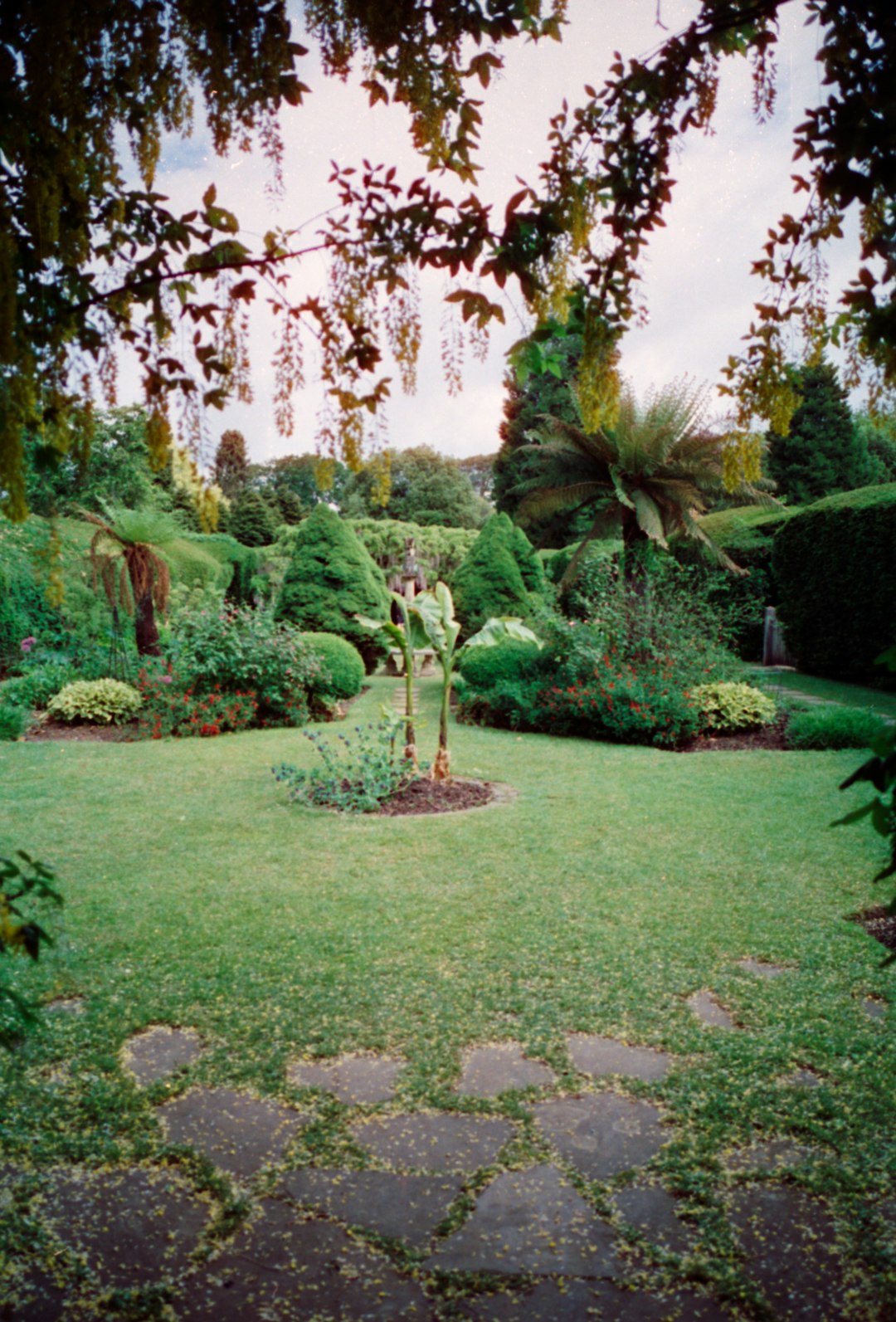
Vegetable gardens are sprouting up in backyards across America at rates not seen since World War II. According to the National Gardening Association’s 2024 survey, food gardening participation increased by 18.3% from 2020 to 2023, with 77 million households now growing their own produce. The trend gained momentum during the pandemic but has sustained itself due to rising grocery costs and supply chain concerns. Modern victory gardens blend heritage seed varieties with contemporary growing techniques like raised beds and drip irrigation. Families are rediscovering the satisfaction of harvesting tomatoes, peppers, and herbs just steps from their kitchen door.
Outdoor Root Cellars and Food Storage
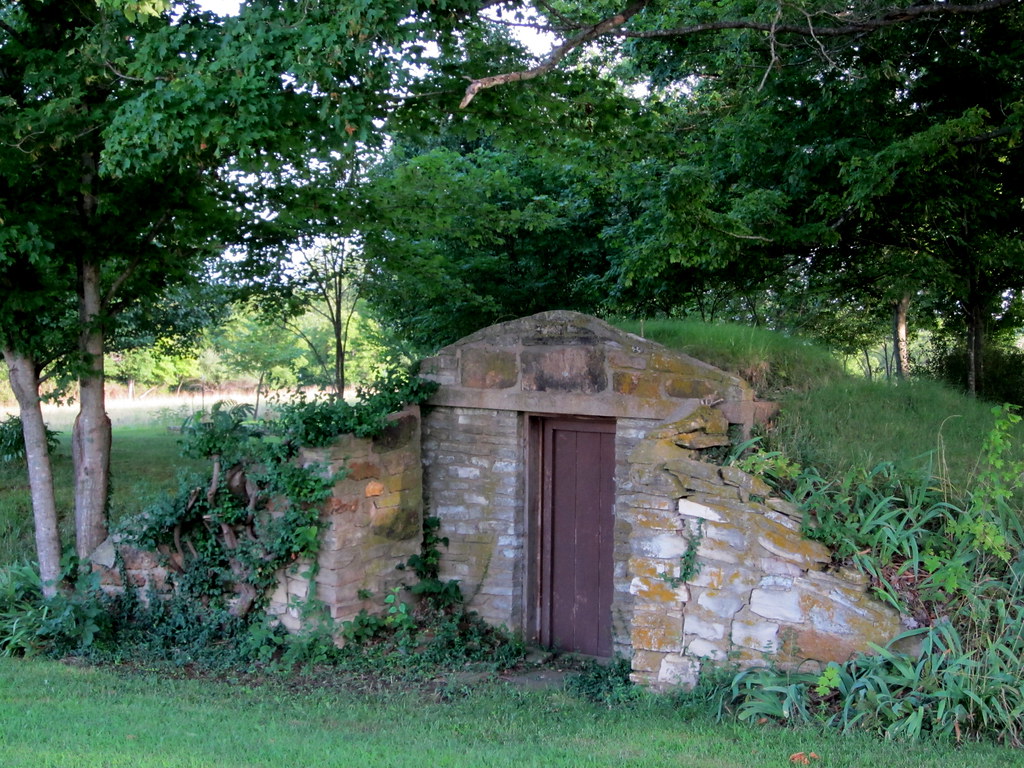
Homeowners are digging deep to create modern versions of traditional root cellars, driven by food security concerns and sustainability goals. The American Society of Civil Engineers reported a 45% increase in residential underground storage construction permits in 2023 compared to 2019. These aren’t your grandmother’s dirt-floor cellars – today’s versions feature proper ventilation, moisture control, and even temperature monitoring systems. Many families use them to store bulk purchases, preserve garden harvests, and maintain emergency food supplies. The practice connects directly to rising interest in preparedness and reducing food waste, with properly stored root vegetables lasting months longer than refrigerated alternatives.
Clotheslines Make an Energy-Conscious Return
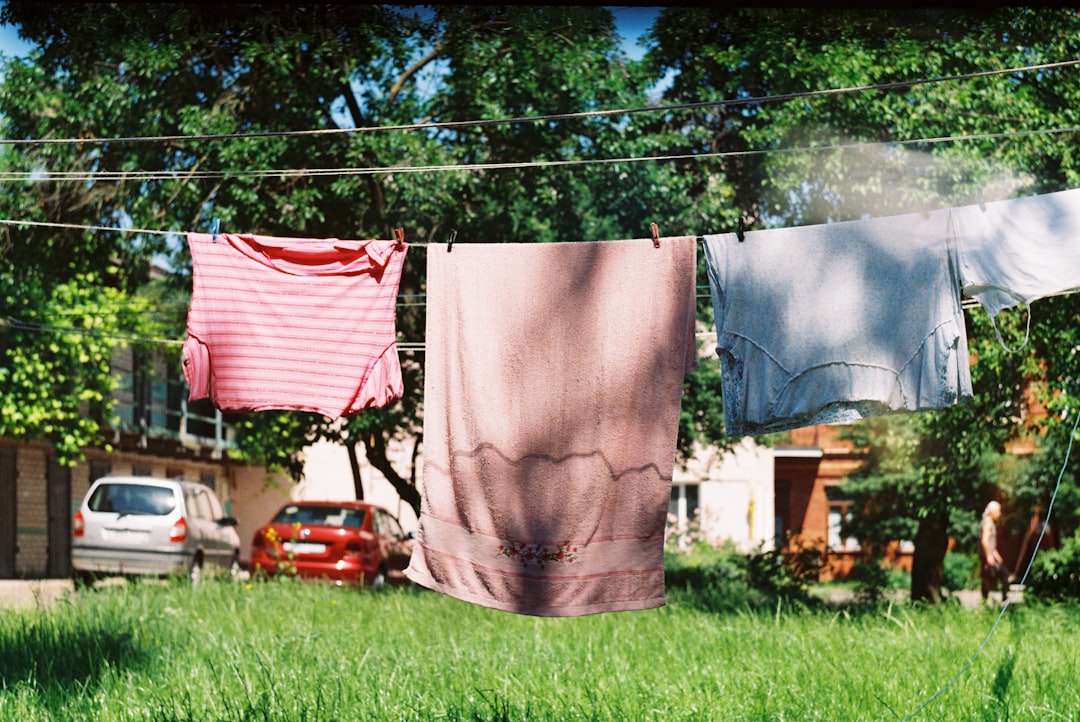
The humble clothesline is experiencing a renaissance as energy costs soar and environmental awareness grows. Data from the Association of Home Appliance Manufacturers shows that clothes dryers account for approximately 12% of residential electricity usage, costing the average household $200 annually. Pinterest searches for “backyard clothesline ideas” increased by 67% in 2024, according to the platform’s trend report. Modern clotheslines feature weather-resistant materials, retractable designs, and aesthetic considerations that blend with contemporary landscaping. Many municipalities that previously banned outdoor drying are reversing these restrictions, recognizing both environmental and economic benefits.
Chicken Coops in Urban Settings
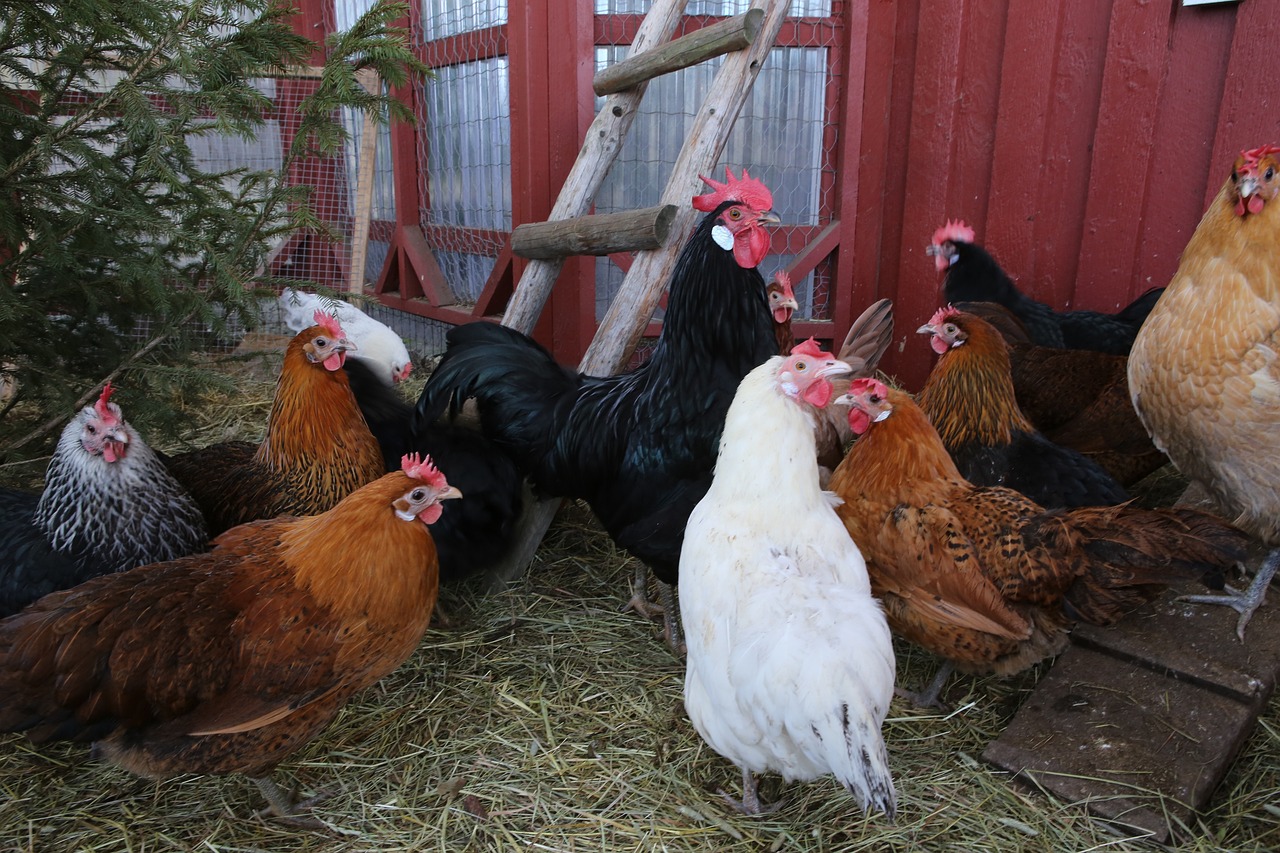
Backyard chickens have moved from rural farms to city lots, with urban chicken keeping becoming one of the fastest-growing homesteading trends. The American Pet Products Association’s 2024 survey found that 13% of U.S. households now keep chickens, up from 8% in 2018. Cities across the country are revising ordinances to accommodate backyard flocks, with Portland, Austin, and Denver leading the charge in chicken-friendly legislation. Fresh eggs, natural pest control, and composting benefits drive this trend, while modern coop designs address neighbor concerns about noise and odors. The practice connects families to food production while reducing reliance on industrial agriculture.
Outdoor Wood-Fired Cooking
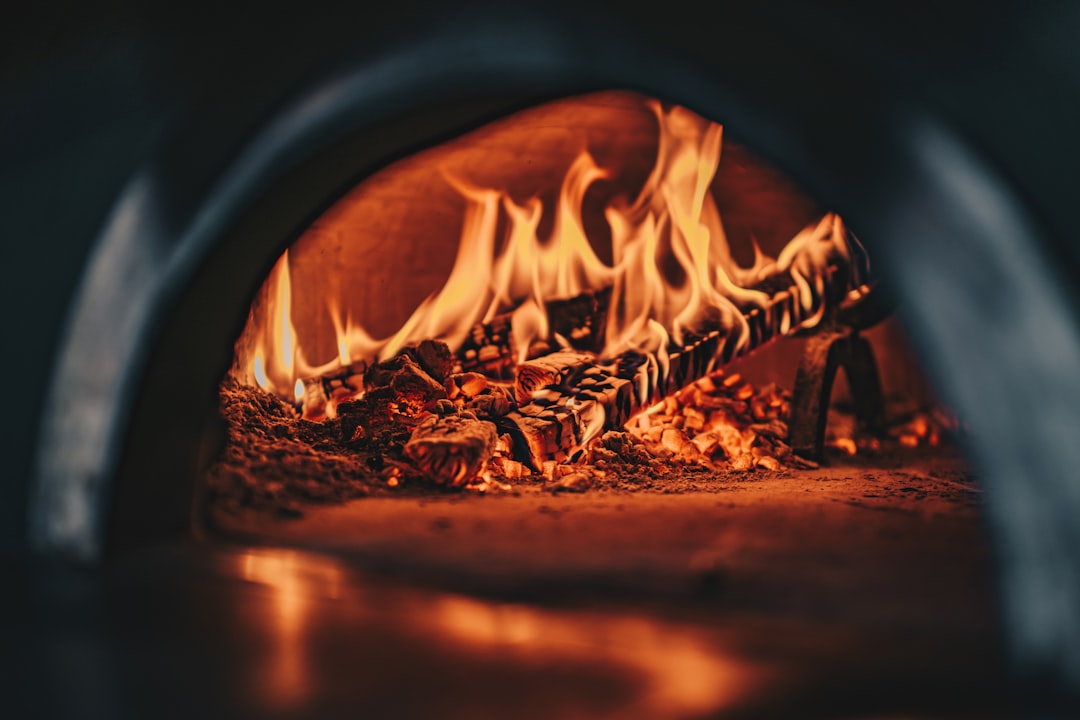
Wood-fired ovens, smokers, and outdoor kitchens are transforming backyards into culinary destinations. The Hearth, Patio & Barbecue Association reported that outdoor cooking equipment sales reached $5.8 billion in 2023, with wood-fired options representing the fastest-growing segment at 34% year-over-year growth. These installations go beyond simple grilling to include pizza ovens, bread baking, and traditional smoking techniques that produce flavors impossible to achieve with gas or electric appliances. Social media has fueled interest, with cooking videos featuring wood-fired techniques garnering millions of views across platforms. The trend reflects growing interest in artisanal food preparation and outdoor entertainment.
Rainwater Harvesting Systems
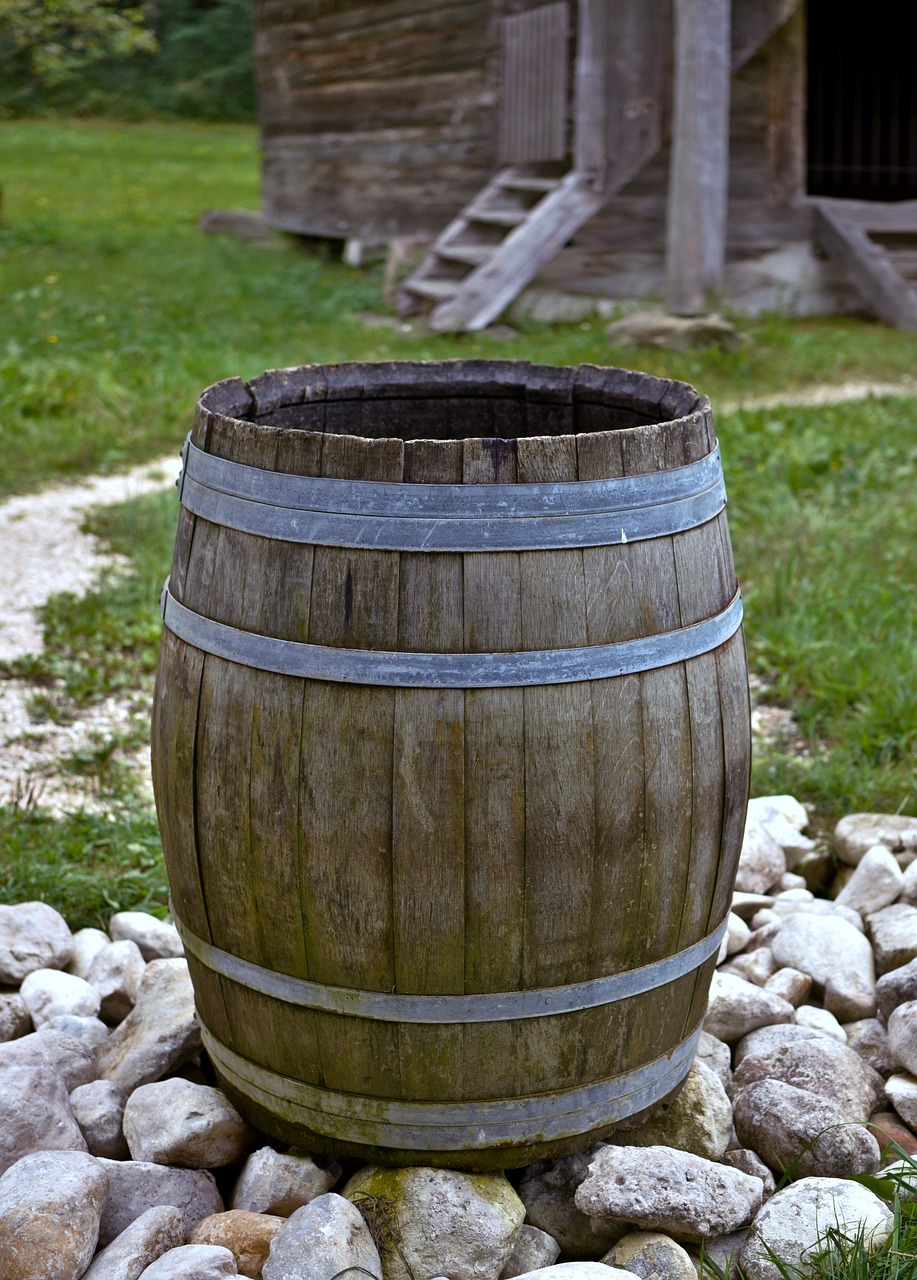
Collecting rainwater for garden irrigation has evolved from environmental activism to practical necessity as water restrictions spread across drought-prone regions. The EPA estimates that landscape irrigation accounts for nearly one-third of residential water use, making rainwater harvesting an attractive alternative. Modern systems range from simple barrel collectors to sophisticated underground cisterns with filtration and pumping capabilities. Texas leads the nation in rainwater harvesting adoption, with state tax incentives encouraging residential installations since 2019. The practice reduces municipal water demand while providing plants with naturally soft, chemical-free water that often produces better growing results than treated tap water.
Traditional Fruit Tree Orchards
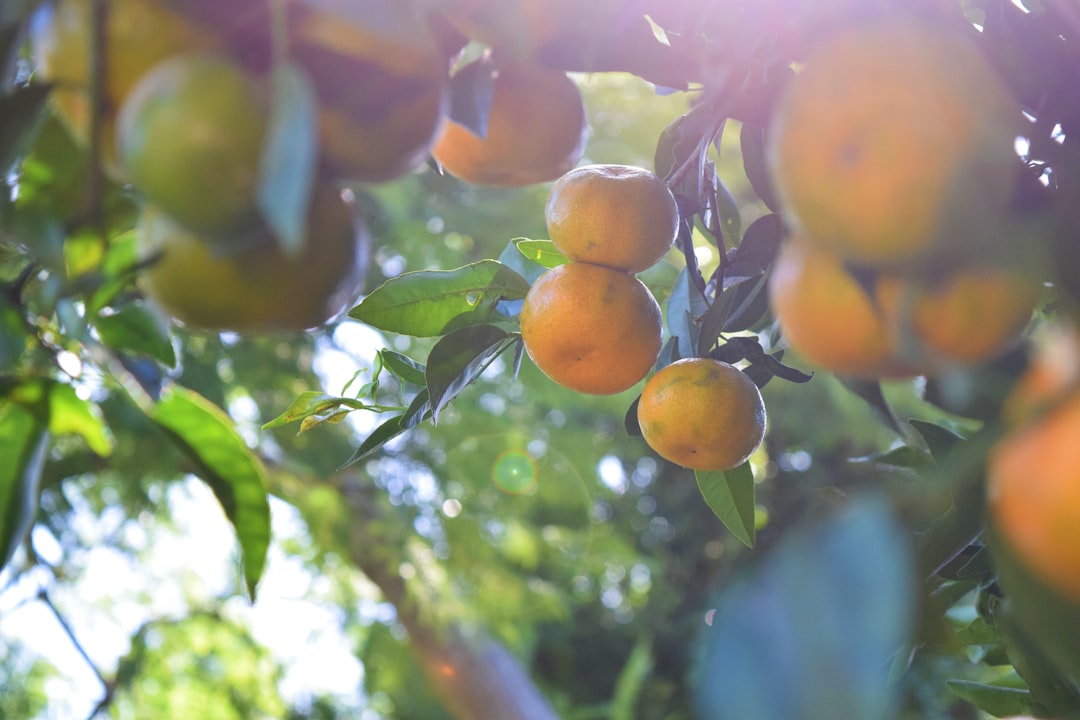
Home orchards are experiencing renewed interest as families seek long-term food security and connection to agricultural traditions. The Arbor Day Foundation’s 2024 report shows fruit tree sales to residential customers increased 28% over the past three years. Modern orchard planning incorporates dwarf varieties, disease-resistant cultivars, and companion planting techniques that maximize production in smaller spaces. Heritage apple, pear, and stone fruit varieties are particularly popular, offering flavors unavailable in commercial markets. Many homeowners are learning traditional preservation techniques like canning, dehydrating, and fermentation to extend their harvest throughout the year.
Outdoor Canning and Preservation Stations
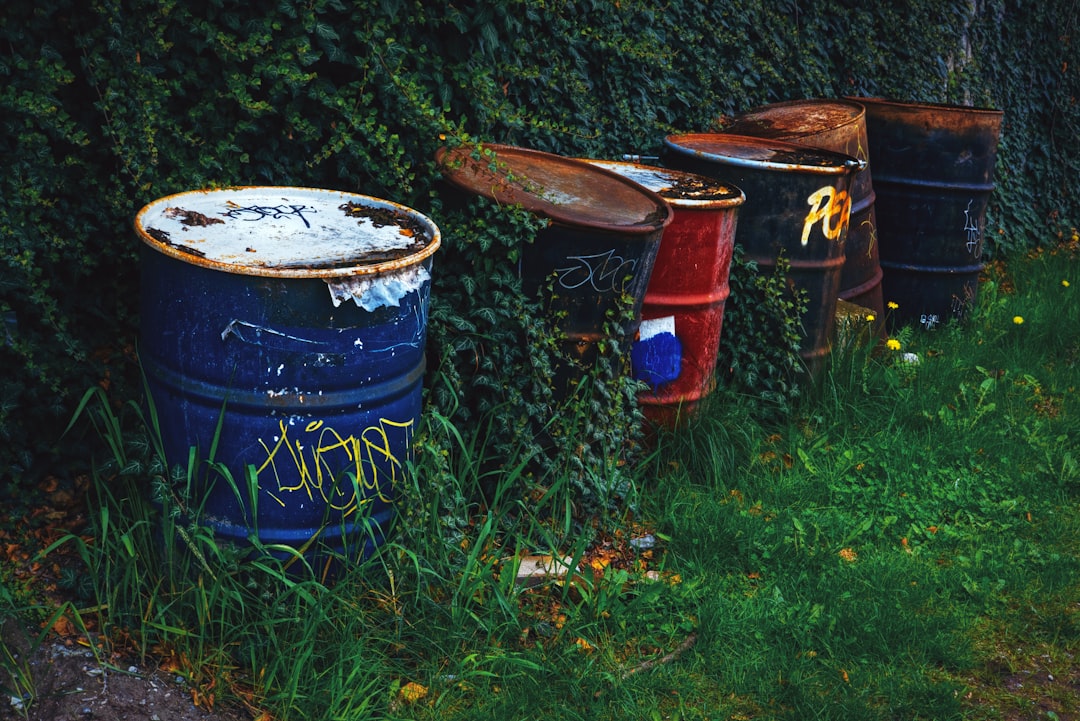
Dedicated outdoor food preservation areas are becoming common features in backyards where families process large harvests. These setups typically include propane burners, large pots, and prep tables designed to handle the heat and mess of canning operations away from indoor kitchens. The Ball Corporation, a major canning supply manufacturer, reported a 156% increase in home canning equipment sales from 2020 to 2024. YouTube channels focused on food preservation have collectively gained over 50 million subscribers during this period, indicating widespread interest in learning these skills. The practice allows families to preserve peak-season flavors while avoiding the additives and packaging of commercial preserved foods.
Backyard Workshops and Craft Spaces
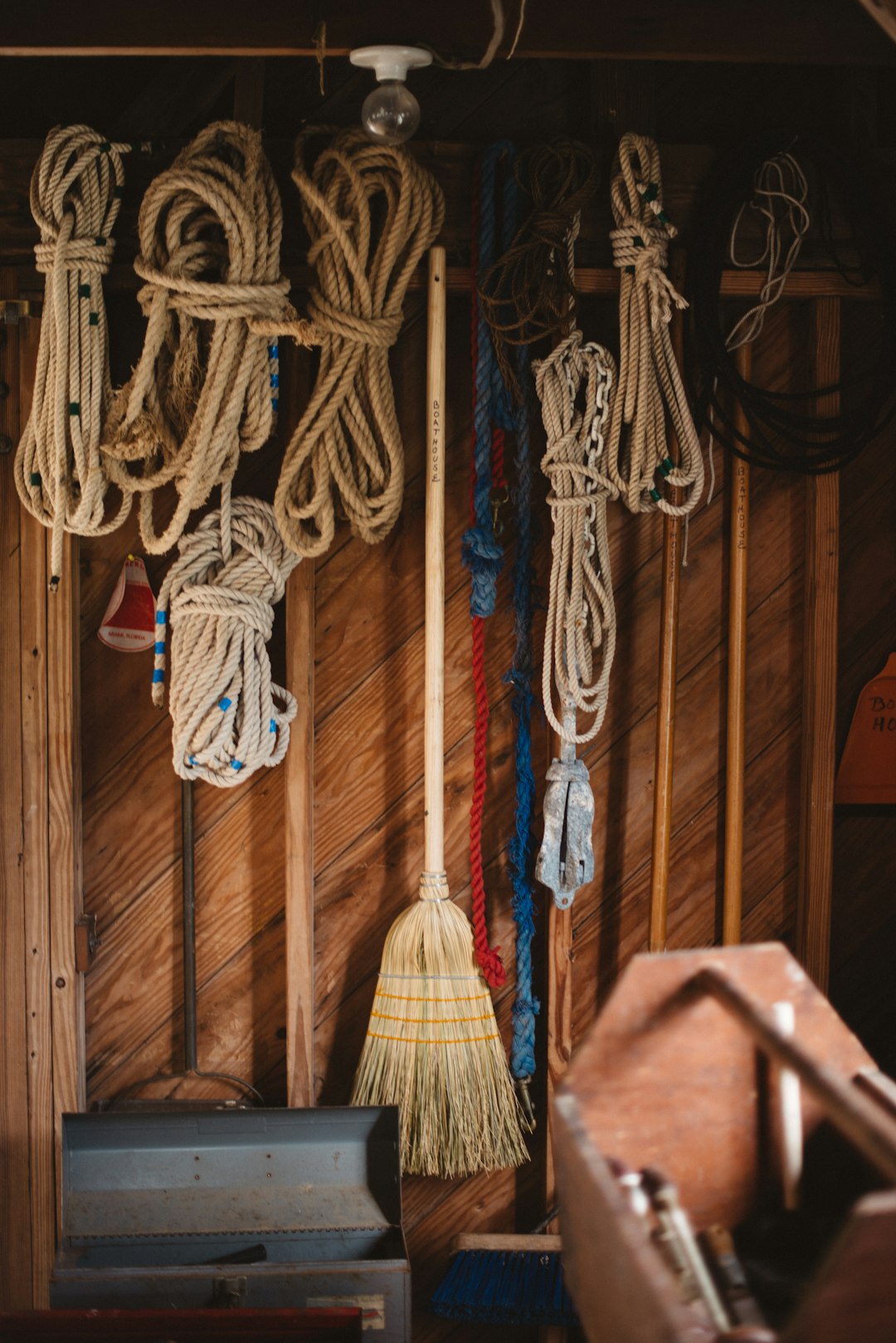
Dedicated outdoor workspaces for traditional crafts like woodworking, pottery, and metalworking are replacing generic storage sheds. The American Craft Council’s 2023 survey found that 42% of craft enthusiasts prefer working outdoors when weather permits, citing better ventilation and noise control. These spaces often feature specialized electrical service, tool storage, and ventilation systems designed for specific crafts. The maker movement has contributed to this trend, with many hobbyists selling their creations online or at local markets. Social media platforms showcase elaborate workshop setups, inspiring others to create dedicated spaces for hands-on creativity.
Natural Swimming Ponds
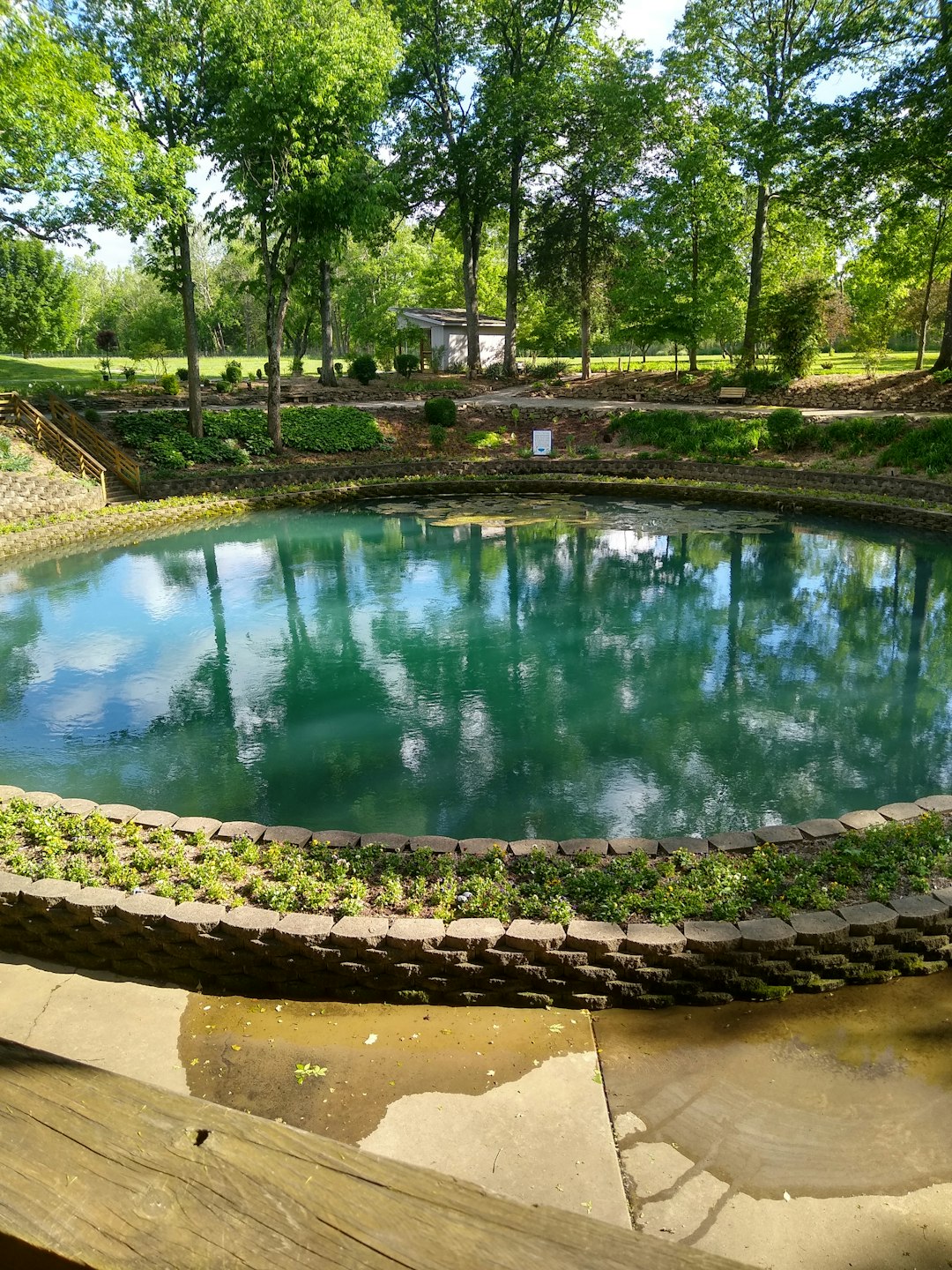
Chemical-free swimming ponds that use plants and beneficial bacteria for water purification are gaining traction among environmentally conscious homeowners. The Natural Swimming Pool and Pond Association reports membership growth of 89% since 2021, with installations concentrated in regions with strong environmental awareness. These systems create ecosystem-like environments that support wildlife while providing recreational swimming opportunities. Construction costs often compare favorably to traditional pools when long-term chemical and maintenance expenses are considered. The aesthetic appeal of natural ponds integrates seamlessly with organic gardening and wildlife habitat creation efforts.
Outdoor Bread Ovens and Baking
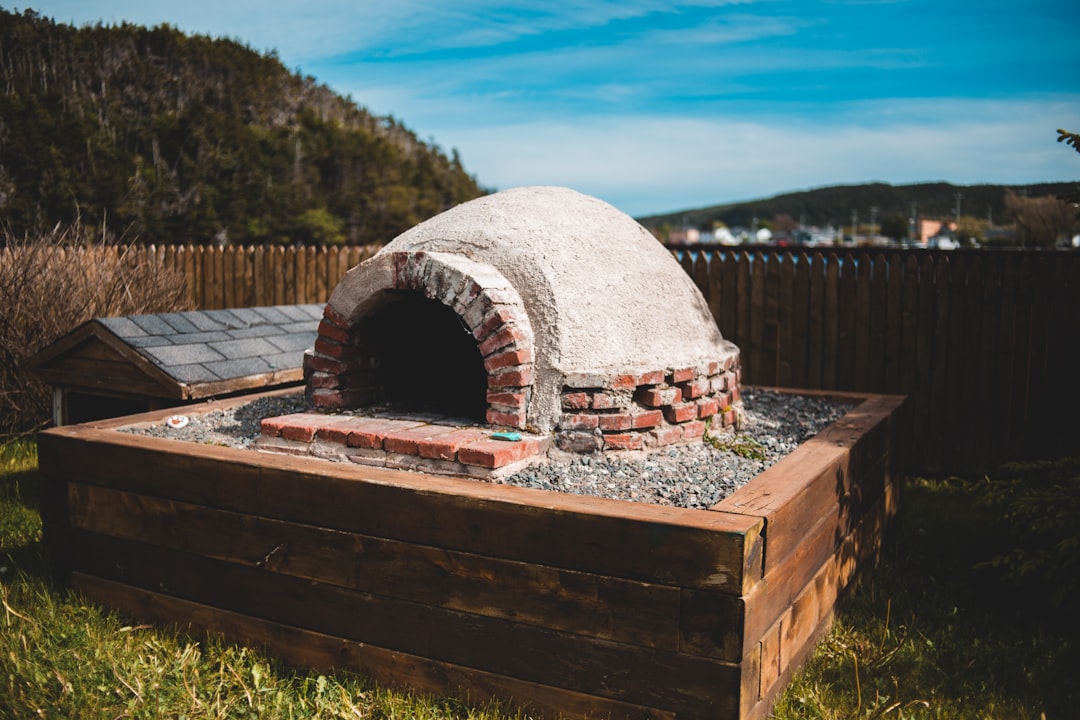
Clay and brick bread ovens are experiencing a revival as home baking reaches new heights of popularity. The Retail Bakers of America association noted that home baking ingredient sales remained 35% above pre-pandemic levels throughout 2024, indicating sustained interest in artisanal bread making. Outdoor ovens reach temperatures impossible in home kitchen ovens, producing crispy crusts and unique flavors that define traditional European and Mediterranean breads. Many builders offer prefabricated kits that simplify installation while maintaining authentic cooking capabilities. Weekend bread baking has become a social activity, with families hosting community baking days that strengthen neighborhood connections.
Medicinal and Herb Gardens
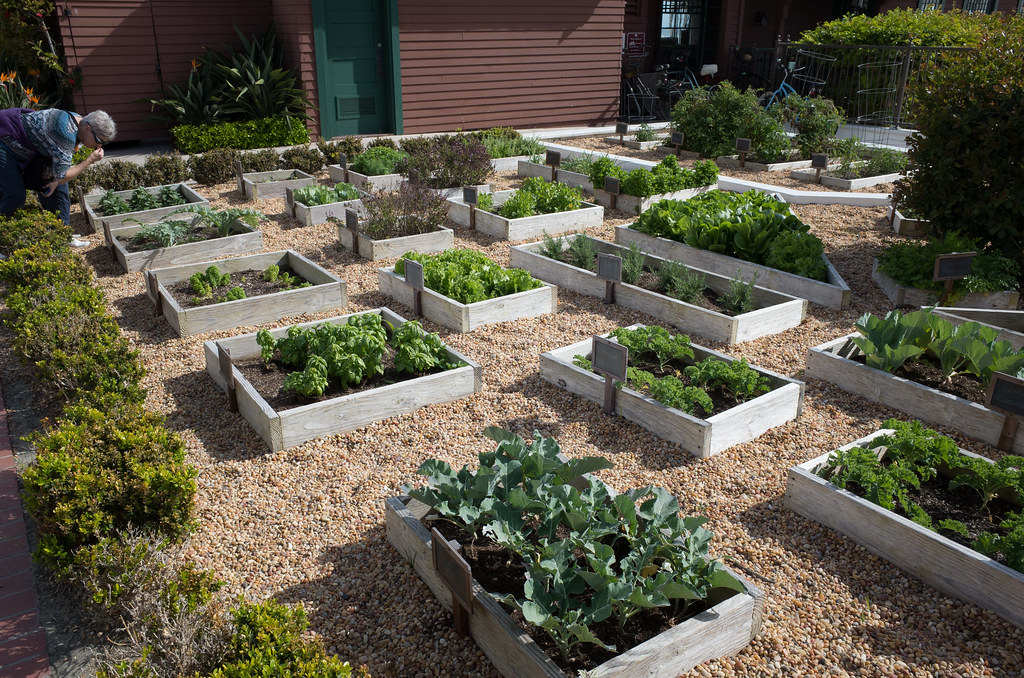
Dedicated spaces for growing medicinal plants and culinary herbs are becoming standard features in thoughtfully planned backyards. The American Botanical Council’s 2024 market report shows herbal supplement sales reaching $11.3 billion annually, driving interest in home cultivation of healing plants. Modern herb gardens incorporate raised beds, proper drainage, and microclimates that support plants with varying growing requirements. Many gardeners focus on herbs with proven therapeutic properties like echinacea, lavender, and chamomile, while also growing culinary staples like basil, rosemary, and thyme. This trend connects to broader movements toward natural health approaches and reduces dependence on commercially processed herbs and supplements.

Matthias is a skilled author and digital storyteller with a focus on travel journalism, environmental issues, and modern home design. With a background in communications and a passion for global cultures, Matthias crafts engaging narratives that blend real-world exploration with thoughtful analysis and visual flair.
His writing reflects a deep interest in how climate change shapes our lives and lifestyles—from sustainable travel practices to eco-friendly living environments. Known for his clear, approachable voice and sharp editorial instincts, Matthias delivers content that resonates with readers seeking both inspiration and substance.
Whether reporting from remote destinations, breaking down sustainable design trends, or spotlighting innovative green initiatives, Matthias brings a global perspective and an eye for detail to every piece. He regularly contributes to web platforms and editorial projects that aim to foster awareness, creativity, and conscious living.