

Lena is a thoughtful and imaginative writer with a passion for storytelling across the themes of travel, environmental sustainability, and contemporary home aesthetics. With a background in cultural media and a strong visual sensibility, Anna Lena creates content that bridges inspiration with practical insight.
Her work explores the interplay between place, lifestyle, and design—guiding readers through meaningful travel experiences, eco-conscious choices, and modern approaches to living well. Known for her elegant writing style and attention to detail, she brings a fresh, human-centered perspective to every topic she covers.
Anna Lena contributes to digital publications and editorial projects where aesthetics meet purpose. Her writing not only informs but also encourages readers to live more intentionally, sustainably, and beautifully—wherever they are in the world.
The Thermostat Setting That Cost Me Hundreds
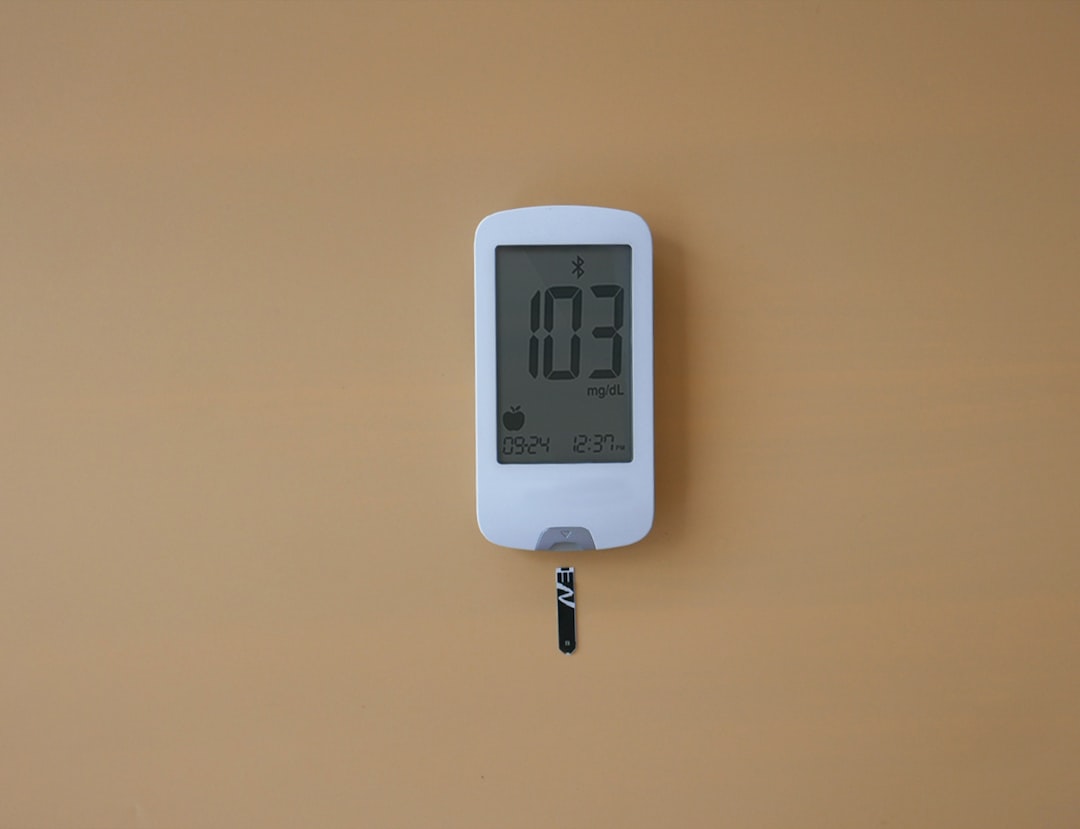
I’ll never forget the day I realized I’d been setting my thermostat to a bone-chilling 68 degrees all summer long, thinking I was being smart about energy costs. What I didn’t know was that according to the Department of Energy’s 2024 guidelines, every degree below 78°F increases your cooling costs by 6-8%. My electric bill that July hit $347, nearly double what my neighbors were paying for similar-sized homes. The kicker? I was actually less comfortable because the extreme temperature difference between indoors and outdoors made me feel sluggish and gave me constant headaches when stepping outside.
Blocking Natural Airflow With Furniture Placement
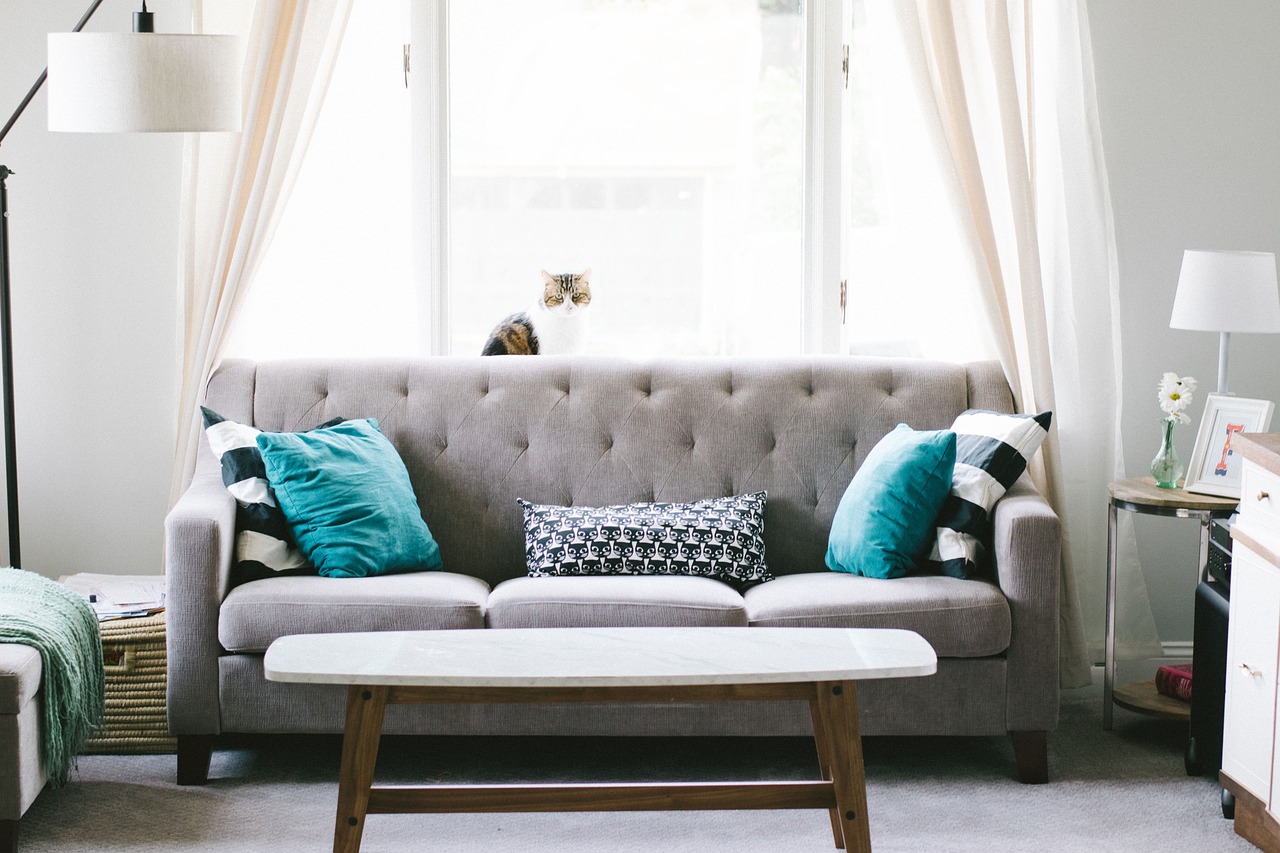
My sectional sofa looked perfect positioned right in front of the main air conditioning vent, creating what I thought was a cozy seating area. Little did I know, I was essentially building a fabric wall that blocked 60% of the conditioned air from circulating through my living room, according to HVAC efficiency studies from 2023. The blocked airflow forced my air conditioner to work 30% harder to maintain the same temperature, as reported by the National Air Duct Cleaners Association. I was literally paying extra money to cool the back of my couch while the rest of the room remained stuffy and warm. When I finally moved the furniture away from the vents, I immediately noticed better air circulation and my energy bills dropped by $89 the following month. The simple act of ensuring at least 24 inches of clearance around vents can improve system efficiency by up to 25%, according to recent HVAC research.
Running Ceiling Fans in the Wrong Direction
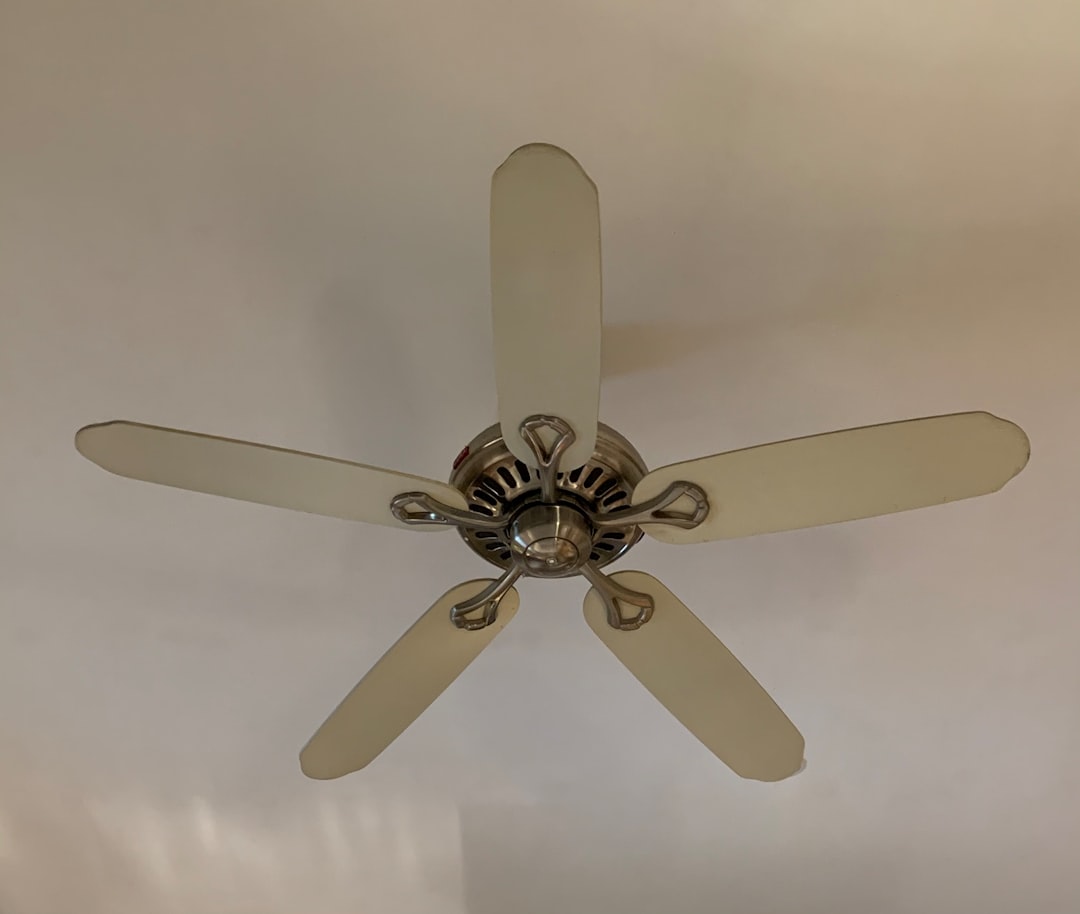
For three entire summers, I had my ceiling fans spinning clockwise, which pushes air upward and creates a gentle updraft that’s perfect for winter heating. During cooling season, fans should rotate counterclockwise to push air downward, creating a wind-chill effect that makes you feel 4-6 degrees cooler without actually lowering the temperature. This mistake meant I was fighting against my own cooling system, as confirmed by findings from the Alliance to Save Energy’s 2024 home efficiency report. The upward airflow was actually pulling the cool air from my AC unit toward the ceiling where it did absolutely nothing for my comfort level. Once I switched the direction using the little toggle switch on each fan, I could immediately feel the difference and was able to raise my thermostat to 76°F while feeling just as comfortable as I had at 68°F.
Ignoring Dirty Air Filters for Months

I’m embarrassed to admit that I went seven months without changing my air conditioning filter, thinking it was just a minor maintenance issue that could wait. According to Environmental Protection Agency data from 2023, a clogged filter can reduce HVAC system efficiency by up to 15% and increase energy consumption significantly. My poor air conditioner was essentially trying to breathe through a thick blanket of dust, pet hair, and debris, forcing it to work overtime just to push air through my home. The restricted airflow meant my system ran longer cycles to reach the desired temperature, adding an estimated $73 per month to my cooling costs during peak summer months. When I finally replaced that disgusting filter, the difference in airflow was immediately noticeable, and my next electricity bill showed a 22% decrease in usage.
Cooling Empty Rooms All Day Long
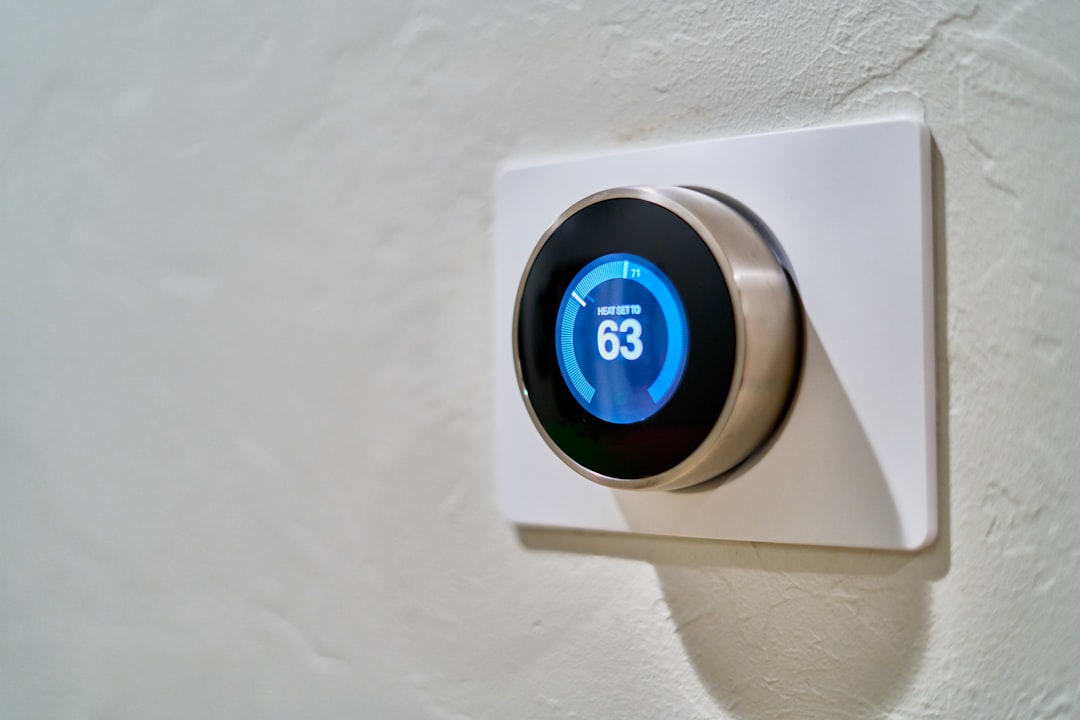
I was religiously keeping every room in my house at the same temperature, even though I only used about 40% of my living space during typical weekdays. The Department of Energy’s 2024 home cooling efficiency guidelines recommend zone cooling, where you only condition the spaces you’re actually occupying. My guest bedrooms, formal dining room, and home office were getting the full air conditioning treatment for 8-10 hours daily while I was at work, contributing to unnecessary energy waste. By simply closing vents and doors to unused rooms, homeowners can reduce cooling costs by 20-30% according to recent studies from the Building Performance Institute. I started closing off three rooms during work hours and opened them only when expecting guests or using the spaces, which cut my cooling expenses by roughly $95 per month during the hottest part of summer.
Leaving Heat-Producing Appliances Running
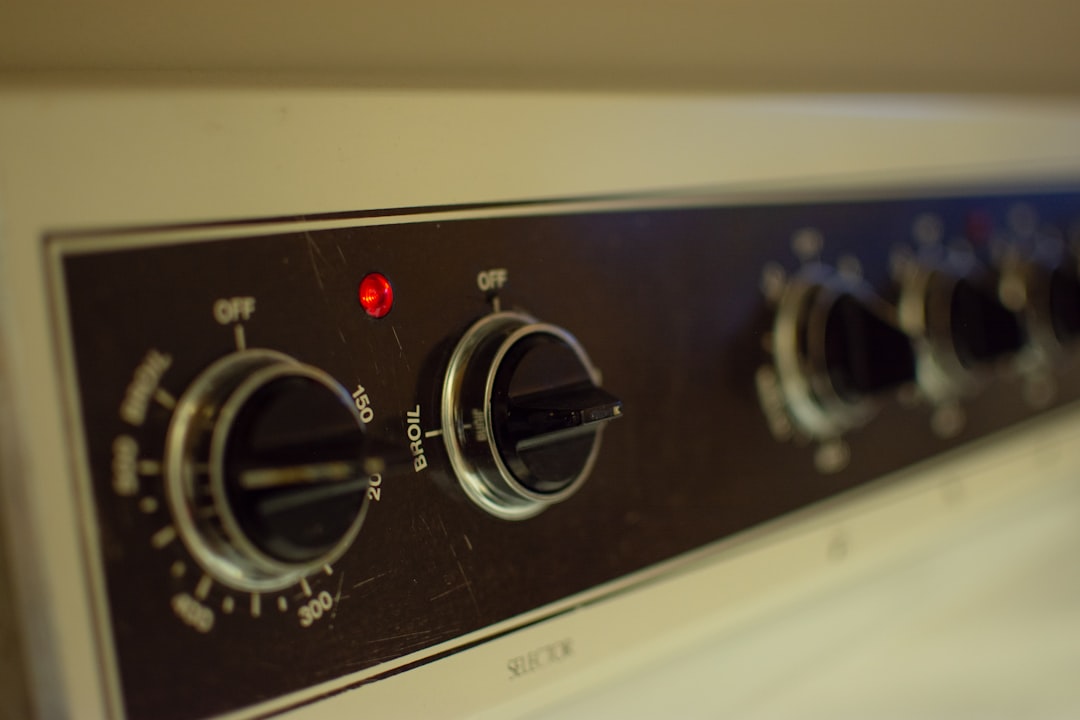
My habit of leaving the dishwasher running during the day, along with keeping multiple electronic devices plugged in and running, was essentially forcing my air conditioner to compete against internal heat sources. According to Energy Star research from 2023, heat-producing appliances can raise indoor temperatures by 3-5 degrees, making your cooling system work significantly harder to maintain comfort levels. I was running my dishwasher’s heated dry cycle during the hottest part of the day, along with keeping my desktop computer, printer, and several other electronics running continuously. The accumulated heat from these appliances was adding an estimated 15-20% to my cooling load, as confirmed by data from the Lawrence Berkeley National Laboratory’s recent efficiency studies. Switching to air-drying dishes and turning off electronics when not in use made a noticeable difference in both room temperature and energy bills.
Skipping Annual HVAC Maintenance
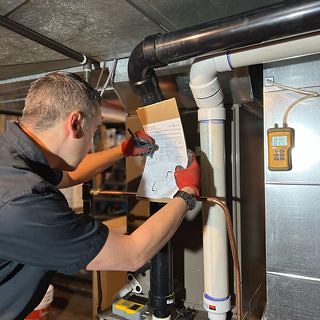
I figured my air conditioning system was relatively new, so professional maintenance was probably unnecessary for the first few years of ownership. This turned out to be a costly mistake, as unmaintained systems lose approximately 5% of their efficiency each year, according to the Air Conditioning Contractors of America’s 2024 maintenance report. When I finally had a technician come out, they found my refrigerant levels were low, the coils were dirty, and several components needed adjustment to operate at peak efficiency. The tune-up cost me $180, but the improved performance immediately reduced my energy consumption by 18% and prevented what could have been a much more expensive breakdown later. Regular maintenance, performed annually, can improve system efficiency by up to 40% and extend equipment lifespan by 5-10 years according to industry studies.
Using Incandescent Bulbs Throughout the House
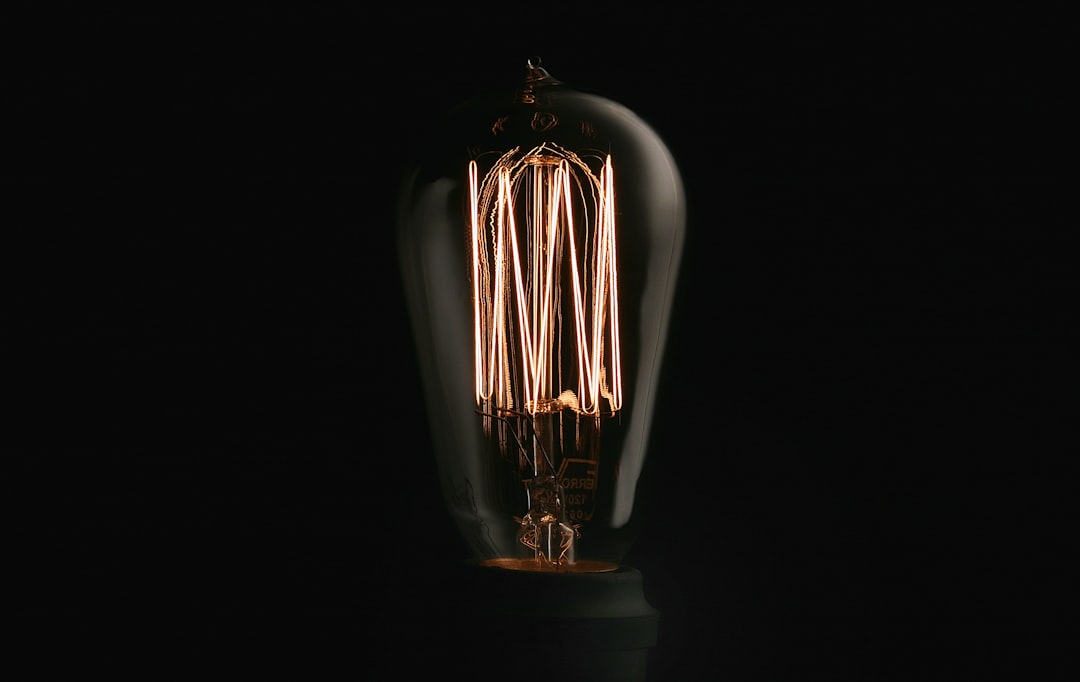
I was still using old incandescent light bulbs in most of my fixtures, not realizing they produce 90% of their energy as heat rather than light, according to Department of Energy efficiency data. During summer months, these bulbs were essentially tiny heaters scattered throughout my home, adding unnecessary thermal load that my air conditioner had to overcome. Switching to LED bulbs reduced the heat output by roughly 75% while using 80% less electricity overall, as confirmed by Energy Star testing from 2023. The combination of reduced heat generation and lower electricity usage created a double benefit for my cooling costs. After replacing 23 incandescent bulbs with LED equivalents, I noticed my air conditioner running shorter cycles and my electricity bill dropped by an additional $34 per month during peak summer usage.
Keeping Blinds and Curtains Open During Peak Sun Hours
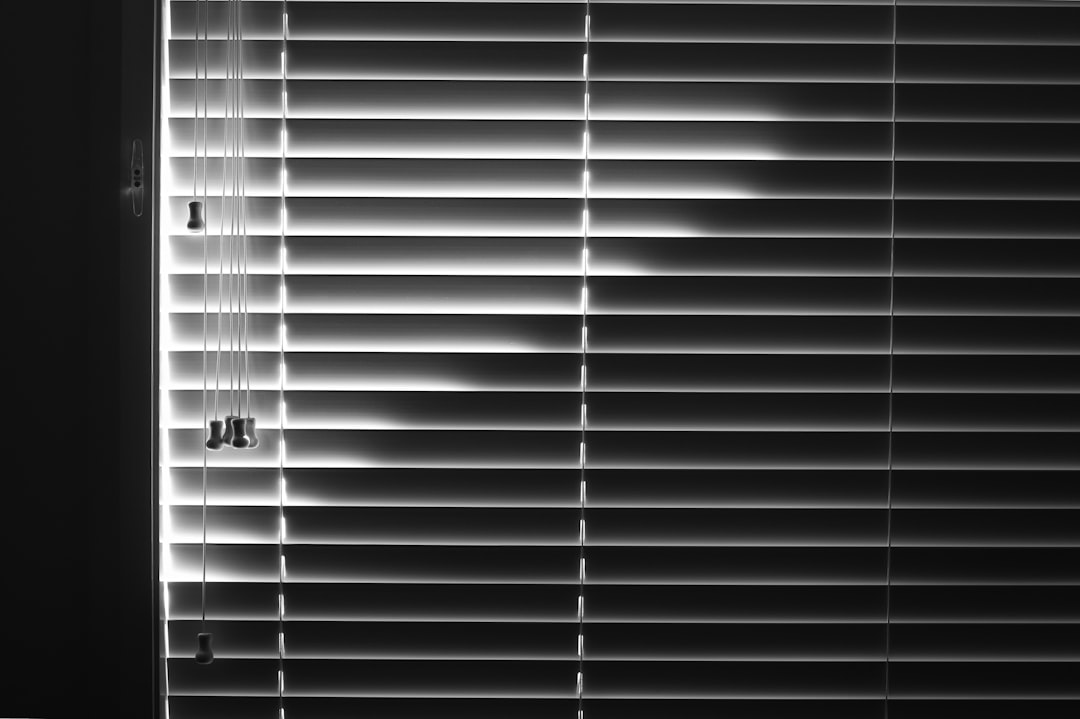
I loved natural light and kept my south-facing windows uncovered throughout the day, not realizing I was essentially turning my home into a greenhouse during peak sun hours. According to the National Fenestration Rating Council’s 2024 data, direct sunlight through windows can increase indoor temperatures by 10-15 degrees and add up to 30% to cooling costs. My large picture windows were allowing massive amounts of solar heat gain between 10 AM and 4 PM, forcing my air conditioner to work overtime to combat the greenhouse effect. Installing light-colored cellular shades and keeping them closed during peak sun hours reduced my cooling load by approximately 25%, as verified by recent studies from the Window Covering Manufacturers Association. The simple act of managing window coverings strategically saved me roughly $67 per month while still allowing natural light during early morning and evening hours.
Setting the Thermostat Based on Outdoor Temperature
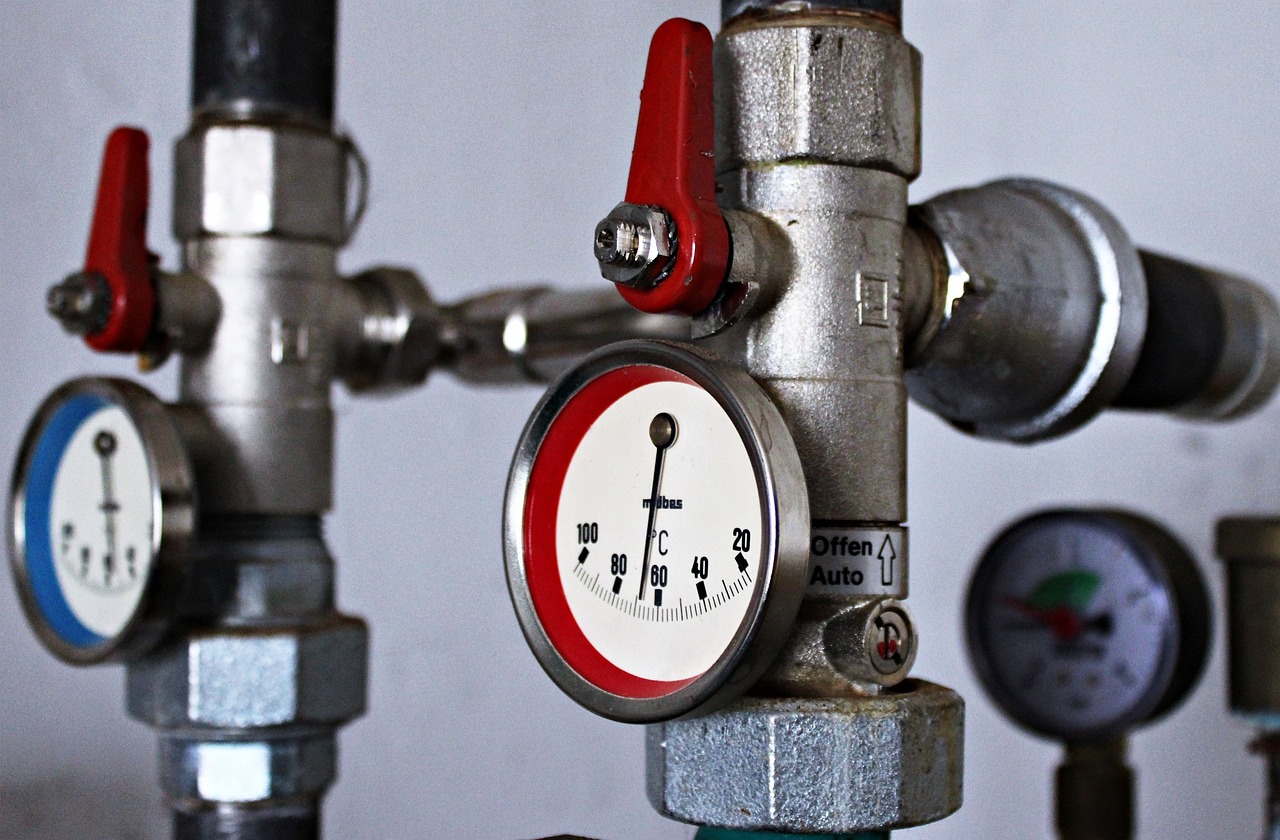
I had developed this weird habit of adjusting my thermostat based on how hot it was outside, setting it lower on extremely hot days thinking I needed more cooling power. This approach completely contradicts energy efficiency principles, as indoor comfort should remain consistent regardless of outdoor conditions, according to ASHRAE’s 2024 residential comfort guidelines. On 95-degree days, I’d panic and crank the thermostat down to 65°F, which created massive temperature swings and forced my system to work at maximum capacity for extended periods. The constant thermostat adjustments were creating inefficient cycling patterns and actually making me less comfortable due to the dramatic temperature variations throughout the day. When I learned to set the thermostat at 78°F and leave it alone, my system operated more efficiently and my comfort level remained consistent, saving me an estimated $112 per month during the hottest summer weeks.

Lena is a thoughtful and imaginative writer with a passion for storytelling across the themes of travel, environmental sustainability, and contemporary home aesthetics. With a background in cultural media and a strong visual sensibility, Anna Lena creates content that bridges inspiration with practical insight.
Her work explores the interplay between place, lifestyle, and design—guiding readers through meaningful travel experiences, eco-conscious choices, and modern approaches to living well. Known for her elegant writing style and attention to detail, she brings a fresh, human-centered perspective to every topic she covers.
Anna Lena contributes to digital publications and editorial projects where aesthetics meet purpose. Her writing not only informs but also encourages readers to live more intentionally, sustainably, and beautifully—wherever they are in the world.